
Why Social Media Is Overrated for Local Growth — How Do Digital Loyalty Cards Work Better Than Ads for Repeat Visits?
Why Social Media Is Overrated for Local Growth — How Do Digital Loyalty Cards Work Better Than Ads for Repeat Visits?
Dec 26, 2025
When you first start running social media ads, the numbers look exciting. Thousands of impressions, dozens of comments, and a nice bump in traffic for a few days. The problem is that vanity metrics such as likes and reach do not pay staff, cover rent, or fill slow afternoons. What really matters is repeat visits from people who live or work nearby.
Social platforms are not designed for that. Their algorithms are built to keep users scrolling and to help advertisers reach broad audiences. That might help a national brand, but it is less helpful when you run one salon, one bar, or one café and need the same people to visit every week or month.
Common issues include:
- Paying for clicks from people outside your real service area
- Attracting tourists or one-time visitors who will never return
- Reaching casual scrollers who only came for a one-off discount
On top of that, costs keep rising as more businesses compete for the same ad space. CPM and CPC numbers climb, so you must bid higher just to appear in front of the same number of people. It is also hard to prove that someone saw an ad and then chose to visit again weeks later. Tracking is messy, and attribution rarely tells you which campaign brought a specific customer back.
Most local ad campaigns end up following a spray-and-pray pattern: broad targeting, vague location settings, and lots of waste. Social media is still useful for awareness and community stories, and you can keep using it for that. It just should not be your main tool for repeat visits when there is a better way to focus on the customers you already have.
“Don’t find customers for your products, find products for your customers.”
— Peter Drucker
Why Customer Retention Beats Customer Acquisition Every Time
 Every local owner feels this daily: it is much easier and cheaper to convince someone who already likes you to come back than to win over a stranger. Research backs this up, with studies showing that the role of digital loyalty programs significantly impacts customer satisfaction. A small increase in customer retention, even just five percent, can lift profits by twenty-five to ninety-five percent.
“Increasing customer retention rates by 5% increases profits by 25% to 95%.”
— Bain & Company
Think about customer lifetime value for a moment. If your average ticket is twenty-five dollars and one loyal customer visits once a month for a year, that is three hundred dollars from a single person. If they stay with you for three years, that becomes nine hundred dollars—before counting any referrals.
Compare that to ten one-time visitors who each spend twenty-five dollars once and never return. On paper, both paths bring in the same two hundred fifty dollars up front, but only one of them keeps feeding your business over time.
Social ads usually focus on that second group. You might spend three hundred dollars on a campaign and get ten to fifteen new customers. If they do not come back, the return is weak and you must spend again next month.
With a good loyalty program, you spend the same or less, but you invest in people who are already warm—and research on customer loyalty program and retention relationship shows these investments yield measurably stronger results than acquisition efforts. They know where you are, what you offer, and how they feel when they leave your place. Loyal customers trust you, so they are more likely to:
- Try new menu items or services
- Upgrade to premium versions
- Refer friends and family
A strong loyalty program is the bridge that turns a one-time visit into a habit. It keeps you visible, shows progress toward rewards, and nudges people at the right moments. Instead of hunting for fresh traffic forever, you build a base of regulars who return on their own.
How Do Digital Loyalty Cards Work: A Complete Breakdown
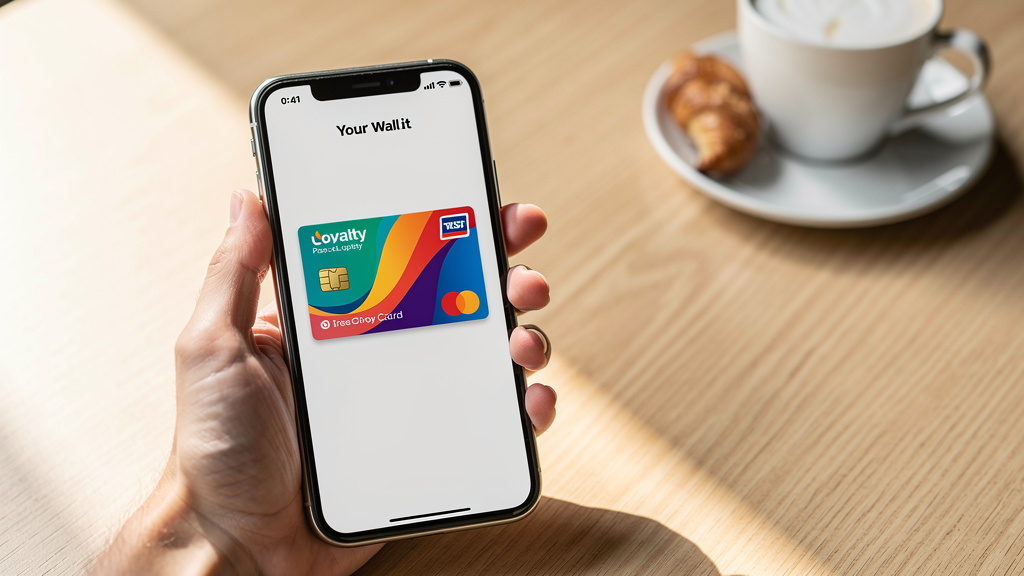 Many owners hear “digital loyalty card” and assume it sounds too technical. The reality is much simpler. At its core, a digital loyalty card is just the modern version of a punch card that lives in a customer’s phone instead of their wallet.
Here is how it works:
- The card sits in the phone’s native mobile wallet: Apple Wallet or Google Wallet.
- Customers do not need to download an extra app.
- Your card appears as a branded pass with your logo, colors, and a scannable code linked to that customer.
Behind the scenes, the loyalty system tracks visits, points, or stamps for each person. When staff scan the code on the pass, the platform recognizes who it is, records the visit, and updates the card in real time. Customers can always see how close they are to their next free coffee, haircut, or pet grooming session.
Many platforms, including Lealtad App, can also send push notifications through that same pass, which land directly on the lock screen. So when we ask how do digital loyalty cards work in real life, the answer is that they turn a simple digital pass into a live link between your customer and your business.
The Customer Path From Sign Up to Redemption
From the customer’s point of view, joining has to feel fast and easy. When it does, sign-up rates are high and people actually use the card.
A typical flow looks like this:
- The customer sees a sign or table tent inviting them to “Scan For Rewards.”
- They scan a QR code with their camera and land on a short sign-up form (name, email, maybe phone).
- After 15–20 seconds of typing, they tap “Add to Apple Wallet” or “Add to Google Wallet.”
- The new loyalty pass appears in their wallet app next to payment cards and tickets.
- On the next visit, they open the wallet app, tap your pass, and show the QR code for staff to scan.
- The system adds a stamp or points and updates the pass to show progress.
Soon, helpful messages start to appear, such as:
- “You’re one visit away from a free latte.”
- “Your free pastry reward expires this weekend.”
This is where digital loyalty cards work best. They make progress visible and rewards feel close, which keeps customers coming back.
The Business Side: Setup and Management
On your side as an owner or manager, everything runs through a simple merchant dashboard. With a platform such as Lealtad App, you log in from a phone or laptop and see one clear panel with your campaigns, customer list, and key numbers. This is where you decide how digital loyalty cards work for your business.
Typical setup steps:
- Upload your logo, choose brand colors, and add a short tagline for the pass
- Choose how customers earn (stamps per visit, points per dollar, cashback, or subscriptions)
- Define rewards and rules (for example, “10 stamps = free drink”)
- Generate the digital card design and sign-up link/QR code
At the counter, staff use a regular smartphone or tablet camera to scan each customer’s pass. No special hardware is required. The platform automatically adds points, records the visit, and refreshes the pass without extra typing.
You can also set up automations like:
- Birthday rewards
- Win-back messages for people who have not visited recently
- Reminders when someone is close to a reward
With Lealtad App, this full setup—from creating the account to printing your first QR poster—can take less time than building a basic social media ad. No coding, no design skills, and no IT team required.
Why Digital Loyalty Cards Outperform Social Media Ads for Repeat Visits
 Now that we see how digital loyalty cards work on both sides of the counter, the comparison with social media ads becomes clearer. For repeat visits, digital loyalty programs win in three major ways:
- They are cheaper over time
- They give you direct access to customers
- They focus on people who have already chosen to buy from you
With social media ads, you are always paying for potential attention controlled by an algorithm. With digital loyalty cards, you build a direct channel that gets more valuable as more customers join. Every visit adds data and strengthens the relationship, instead of just adding one more view in a feed.
Cost Efficiency: Pennies vs. Dollars
Most local businesses that run paid social campaigns spend between a few hundred and a thousand dollars each month. Over a year, that can easily reach several thousand dollars—and you have to spend it again the next year just to stay visible. Pause the ads and traffic usually drops fast.
A digital loyalty platform works differently:
- Monthly pricing for small businesses is often closer to the cost of one nice dinner service than a full ad budget.
- Even including the cost of rewards, the total spend is usually far lower than a full year of social ads.
- Each new member adds value to the program without raising your monthly fee.
With Lealtad App, there are no extra charges per scan or per transaction, so costs stay simple and predictable. Once you plug your numbers in, it becomes clear that you are spending pennies to keep real customers coming back instead of dollars to chase strangers online.
Direct Communication: Lock Screen vs. Algorithm
One of the biggest gaps between social media and digital loyalty cards is how messages reach people.
On social platforms:
- Only a small portion of your followers see each post
- Paid ads depend on changing algorithms
- Your content competes with thousands of other posts
Wallet-based loyalty passes work another way:
- When someone adds your pass, they give you permission to contact them
- You can send short push notifications that land on their lock screen
- These alerts appear where people already look for texts and missed calls
Once you understand how digital loyalty cards work with notifications, you can use them smartly—for example:
- A reminder that a customer is one visit away from a free item
- A quiet morning offer sent to regulars on slow days
- A heads-up when a reward is about to expire
Because these messages reach people who already care about your business, even a small campaign can bring in more repeat visits than a large generic ad.
Targeting Precision: Proven Customers vs. Cold Audiences
Targeting is another major advantage. Loyalty members are not random people who match a set of interests. They are verified customers who have walked in, paid for something, and taken the time to join your program.
As you watch how digital loyalty cards work over time, you gain richer data on each member:
- How often they visit
- How much they spend
- How quickly they redeem rewards
You can group people based on real behavior, such as:
- Customers who are one stamp away from a reward
- Top spenders who visit more than four times a month
- Customers who have not visited in 30, 60, or 90 days
Social ads, by contrast, rely on general filters such as age, interests, or broad location. You can never be sure which of those users will actually step through your door. With a loyalty system, every message goes to people already inside your true service area. You stop wasting budget on people who will never visit and start rewarding the ones who already do.
The Data Advantage: What Digital Loyalty Cards Tell You That Social Media Never Will
Social media platforms give you charts for impressions, clicks, and engagement, but those numbers live inside their world. They rarely connect clearly to your point-of-sale data. You might see that a campaign had a certain click-through rate without knowing whether any of those clicks turned into regulars.
When you dig into how digital loyalty cards work with data, the picture changes:
- Each scan of a loyalty pass can be tied to a specific customer profile
- You can see visit frequency, average spend, and time between visits
- Patterns start to appear that you can actually act on
For example, you might discover that:
- Your top twenty percent of customers visit twice as often as the rest
- Certain rewards get redeemed much faster than others
- Specific days or times respond best to offers
You can then:
- Encourage high-value customers to try new premium items
- Send win-back messages when visit frequency slows
- Adjust rewards that attract visits but hurt profit
This makes it much easier to measure the real return on your loyalty program—something that is very hard to do with broad social media ads.
Real-World Comparison: 500 Dollars in Ads vs. 500 Dollars in a Loyalty Program
Let’s walk through a simple example for a neighborhood coffee shop with an average ticket of six dollars.
Scenario 1: 500 Dollars on Social Ads
- You spend $500 on Facebook and Instagram campaigns in a month
- Targeting: people within a few miles who like coffee
- Result: 50–80 new customers visit once, bringing in roughly $300–$480 in revenue
- Some may return, but you have no direct way to track or contact them without paying for more ads
Scenario 2: 500 Dollars on a Digital Loyalty Program
- You invest $500 in a year of Lealtad App plus a sign-up incentive
- You invite 100 existing customers to join, offering a free pastry on a future visit
- Product cost of those pastries is roughly $200
- Members earn a stamp every visit and get a free drink after 10 stamps
If those 100 people increase their visit rate from two times a month to about three, that is roughly a 40% lift in frequency. Over a year, that can add hundreds of extra visits and several thousand dollars in added revenue—rooted in customers you already had.
Same $500, very different outcome.
Getting Started: How to Launch Your Digital Loyalty Program in Under 5 Minutes
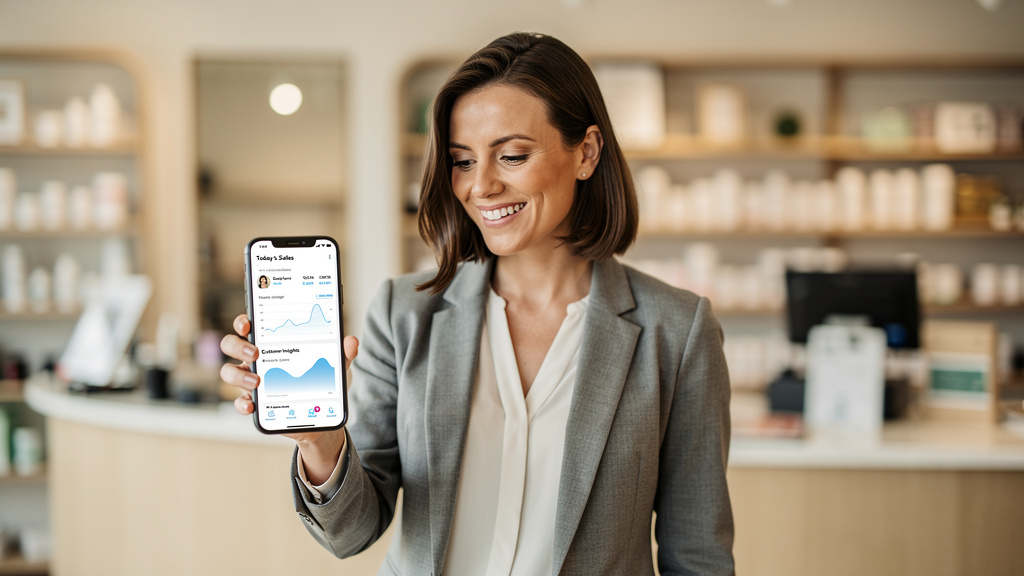 Even when the idea of digital loyalty sounds great, many owners hesitate because they assume it will take too much time or technical knowledge. The truth is that modern platforms such as Lealtad App are built for busy owners. Once you see how digital loyalty cards work inside these systems, it becomes clear that the hardest part is simply deciding to start.
You do not need fancy equipment or a custom app. A single smartphone, a few minutes of focus, and a clear idea of what you want to reward are enough.
Step 1: Choose Your Program Type
First, pick the style of loyalty program that matches how your customers buy:
- Stamp / punch style – Best for frequent, lower-cost items (coffee, quick lunches, basic grooming). One visit = one stamp.
- Points-based – Ideal when ticket sizes vary (salons, full-service restaurants, some services). Customers earn points per dollar.
- Cashback – Good for less frequent but higher-value visits. Customers earn a percentage back to spend later.
- Subscription – Fits steady repeat patterns (weekly cleaning, pet care, memberships).
Start with a simple type that mirrors your day-to-day reality, then adjust once you have seen how digital loyalty cards work with your real customers.
Step 2: Set Up Your Reward Structure
Next, define how customers earn and what they can claim:
- Decide on the earn rule (for example, one point per dollar or one stamp per visit over a set amount)
- Make the first reward feel reachable—often after 5–7 visits
- Choose rewards that feel generous to customers but still protect your margins
Common examples:
- A free item with low cost to you (like coffee or dessert)
- A percentage off a larger service
- Access to a special service or “VIP” time slot
Over time, you can introduce simple tiers such as bronze, silver, and gold to encourage higher spenders to visit more often. As you watch how digital loyalty cards work against your profit numbers, you can fine-tune your structure.
Step 3: Customize Your Digital Card
With the structure ready, make the card look like it belongs to your brand:
- Upload your logo
- Pick your brand colors
- Add a short line that explains the value (for example, “Collect 10 stamps, get a free drink”)
Most systems, including Lealtad App, offer clean templates and previews for Apple Wallet and Google Wallet, so you see exactly what customers will see before going live.
Step 4: Generate Your QR Code and Promote
Finally, generate your sign-up QR code and start inviting people in:
- Print the code on simple signs at checkout, table tents, mirrors, or near the entrance
- Add the link to your email footer, website, and pinned posts on social pages
- Train staff to mention the program at checkout and to walk customers through scanning and adding the pass
A short script works well, such as: “Do you want to join our digital rewards? It takes just a few seconds and you’ll earn points on every visit.” A small sign-up bonus gives customers a clear reason to join now instead of later.
As people realize how digital loyalty cards work in practice—and appreciate never losing a card again—sign-ups grow quickly. You can also mention the environmental benefit of going paperless, which matters to many guests.
Why Lealtad App Is the Smart Choice for Budget-Conscious Business Owners
Many loyalty tools on the market are built with big chains in mind. They assume you have a full marketing team, custom hardware, and a large budget. That is far from how most local restaurants, cafés, salons, and service businesses operate.
Lealtad App was created with local, brick-and-mortar businesses in mind. The platform focuses on helping you drive more repeat visits without the headache of complex software.
Key advantages include:
- Pricing that is often lower than a few days of social ads
- Support for stamps, cashback, subscriptions, discounts, coupons, and certificates
- Setup in under five minutes using only a smartphone
- No need for special scanners or tablets—the phone you already use is enough
- Built-in push notifications, automated campaigns, and clear analytics
- No extra fees per scan or per transaction
By going digital with Lealtad App, you also cut the cost and waste of paper or plastic cards. On top of that, you get real support from people who understand local businesses, not just a generic help center. For owners tired of pouring money into ads that vanish, shifting part of that budget into Lealtad App is a practical way to grow repeat visits.
Conclusion
Relying heavily on social media ads can feel like running on a treadmill. You keep spending just to stay in the same place, and the moment you slow down, the flow of new faces fades. That model is stressful and risky, especially when rent, supplies, and wages keep rising.
Digital loyalty cards offer a different path. Once you understand how digital loyalty cards work, you see how they turn every visit from an existing customer into a small step toward a deeper relationship. Instead of throwing money at strangers online, you invest in people who have already chosen you at least once.
Social media still has a role for storytelling and community, and you do not need to abandon it. The shift is about where you put your main budget for repeat business. With modern tools such as Lealtad App, launching a digital loyalty program is no longer a big tech project. It is a quick, practical move that can start paying off within weeks. You can stop renting customers from social networks and build a steady base of regulars who come back because they want to—not because they saw another ad.
Get Your Free Loyalty Quickstart Guide — Launch in 10 Minutes or Less
Stop guessing why customers don’t come back. In just a few minutes, you can have a simple, custom‑branded digital loyalty program that gives people a real reason to return—again and again.
Download “5 Loyalty Strategies to Generate Quick Cashflow” and you’ll see exactly how local restaurant owners are turning one‑time visits into steady, repeat sales without tech headaches or big costs.
Here’s why this matters to you right now:
- Build your own loyalty program in under 10 minutes
- No hardware, no complicated setup, no stress
- Designed for real local businesses, not big chains
- Clear, customer‑first strategies you can use today
Take action now:
- Go to 👉 https://lealtadapp.com/qs-guide
- Enter your details
- Get instant access to the free Quickstart Guide
Your competitors are already doing something to keep customers coming back. This is your chance to do it better—simply, affordably, and fast.
Get the free guide now and start bringing customers back today.
FAQs
Question 1: Do My Customers Need to Download an App to Use a Digital Loyalty Card?
No, and that is one of the biggest advantages of modern digital loyalty programs. When you use wallet-based passes, customers rely on Apple Wallet or Google Wallet, which are already installed on almost every smartphone.
The basic steps:
- They scan a QR code at your business.
- They fill out a short form.
- They tap “Add to Wallet,” and their loyalty card is ready in seconds.
There is no need to search app stores, remember passwords, or clear storage space. Because the process is so quick, adoption rates for wallet passes are usually much higher than for programs that require a full app download.
Question 2: What If Some of My Customers Do Not Have Smartphones?
There will always be a small group of guests who do not use smartphones, even though usage in the United States is very high. For them, you can keep a simple backup such as:
- A paper punch card
- A manual log at the counter
Most customers—especially under the age of sixty—will gladly choose the digital option once they see how easy it is. Some platforms, including Lealtad App, can also track loyalty by phone number as a backup for those who cannot or do not want to use a wallet pass. Even if you move 80–90% of your base to digital, you gain big benefits compared to running only physical cards.
Question 3: How Does This Work With My Existing POS System?
Most modern digital loyalty platforms are designed to sit alongside your current point-of-sale (POS) system rather than replace it.
Here is the usual flow:
- Staff scan the QR code on the customer’s digital card using a phone or tablet camera
- The loyalty system records the visit and updates the pass
- The POS handles payment as usual
For owners who want a deeper link, many tools, including Lealtad App, offer integrations with popular POS brands such as Square, Clover, or Toast. Even without a direct link, the extra time at checkout is just a couple of seconds and quickly becomes part of the normal routine.
Question 4: Can I Still Use Social Media for Marketing?
Yes, and you probably should. The point is not to abandon social media, but to change how you use it.
A smart approach is to:
- Focus social channels on organic content: photos, stories, staff updates, and new items
- Promote your digital loyalty program on those channels so followers have a reason to visit and join
- Use small amounts of paid social to create awareness, then let your loyalty program handle retention once people discover you
In other words, social media brings people to the door, and your loyalty program convinces them to keep walking back through it.
Question 5: What Kind of Results Can I Realistically Expect?
Results vary by industry, location, and typical visit patterns, but common trends appear across many businesses. When you watch how digital loyalty cards work over a few months, you often see:
- Loyalty members increasing their visit frequency by 20–40% compared to non-members
- Overall revenue rising without needing as many new customers
- Profitability improving as more people move from one-time visitors to regulars
Many businesses notice a difference within 30–60 days, once early members start earning and redeeming rewards. Unlike ads—where results dry up as soon as you stop paying—loyalty gains keep building as your program matures.
Question 6: Is It Worth Switching If I Already Have Physical Loyalty Cards?
Yes. Moving from paper or plastic cards to digital loyalty cards usually pays off quickly.
Physical cards:
- Are easy for customers to lose
- Are hard for you to track accurately
- Provide little information about customer behavior
Digital cards:
- Update balances in real time
- Let you send direct reminders and offers
- Give you data on visits, spending, and reward usage
A smooth way to switch is to give existing cardholders a bonus when they move to digital—transfer their stamps and add a few extra. You can run both systems for a short transition period, then phase out paper once most people have moved over. Reduced printing costs and lower waste are extra wins on top of better retention.