
Why Chasing New Customers Is Draining Your Cash: 7 Ways to Get More Repeat Customers for Your Local Business in 2025
Why Chasing New Customers Is Draining Your Cash: 7 Ways to Get More Repeat Customers for Your Local Business in 2025
Dec 23, 2025
Picture a small café on the corner. Five more regulars start dropping in every week. They each spend around twelve dollars per visit, once a week. By the end of the year, that simple change adds more than three thousand dollars in extra revenue, with almost no extra marketing. That is the quiet power behind the idea of 7 Ways to Get More Repeat Customers for Your Local Business in 2025.
When we look at the numbers, the story gets even stronger. Research shows that bringing in a new customer can cost five to twenty‑five times more than keeping an existing one. Repeat customers also spend about sixty‑seven percent more than first timers, and the chance they buy again sits around sixty to seventy percent, compared with only five to twenty percent for new prospects.
Yet many local owners still pour money into ads and discounts that chase strangers, while regulars drift away unnoticed. In 2025, that approach burns cash and energy. A smarter path is to get more value from the people who already like what we do. That is where a strong customer retention strategy, powered by simple tools like Lealtad App, changes the game.
“The purpose of a business is to create and keep a customer.” — Peter Drucker
In this article, we walk through seven practical methods any local business can use to win more repeat visits. They do not require a big budget, a marketing degree, or fancy hardware. They do require a bit of focus and consistency. By the end, you will have a clear plan to keep customers coming back, spending more, and bringing their friends along.
Key Takeaways
- Repeat customers are the most profitable part of a local business. They visit more often, spend more per visit, and bring new people through word of mouth. A small rise in retention, even five percent, can lift profits by twenty‑five to ninety‑five percent. When we focus on regulars instead of only chasing new faces, revenue becomes steadier and easier to predict.
- A digital loyalty program is the foundation for these seven tactics. With a tool like Lealtad App, we can set up stamps, cashback, discounts, and more in minutes, using only a smartphone. That one move supports better service, smarter communication, referrals, VIP perks, and win‑back campaigns.
- None of these methods require a huge budget or advanced tech skills. By adding personal service, thoughtful follow‑ups, simple feedback loops, structured referrals, and community events, we build a business customers feel connected to. The result is more repeat visits, less reliance on paid ads, and a stronger local brand.
Why Customer Retention Is Your Most Profitable Growth Strategy
Before we talk tactics, it helps to see why customer retention matters so much. Take a regular at a coffee shop who spends five dollars, three times a week. Over a year, that one person brings in around seven hundred eighty dollars. A one‑time visitor who tries a latte once brings in only five dollars, then disappears.
Now imagine that same shop keeps just five extra regulars who behave like that. The yearly difference jumps to almost four thousand dollars from a tiny group of people. No new ad campaigns. No deep discounts. Just better care of the customers already walking through the door.
On top of that, new customers are expensive. There is money spent on social ads, flyers, promos, and time spent running campaigns. Those costs sit on every single new person. A regular who already likes us often returns with almost no extra cost at all.
Research demonstrates that the role of customer loyalty significantly impacts overall retention rates, as loyal customers also talk. They:
- Tell friends and family.
- Leave positive reviews.
- Defend the business when something small goes wrong.
That free promotion reduces the need for constant paid advertising and steadies revenue. When we focus on retention, we get better cash flow, easier staffing plans, and more confident growth. The seven methods that follow are built to support that kind of stable, repeat business.
1. Launch a Digital Loyalty Program (Not Another Punch Card)
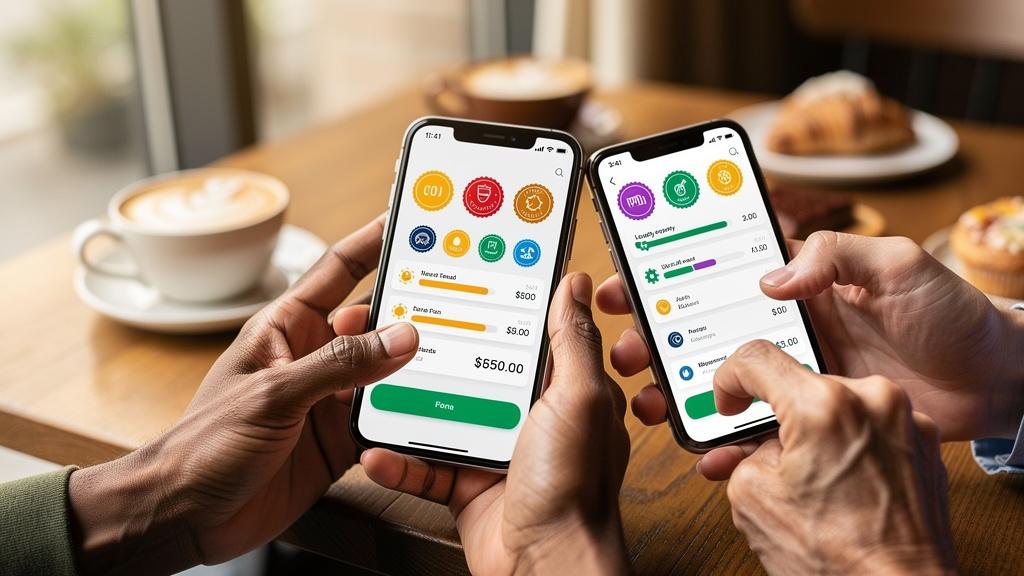 Most of us have watched customers fumble through their wallets, looking for a wrinkled punch card. Many times they shrug and say they lost it. Physical cards get forgotten, damaged, or thrown away, and they create paper waste that more and more customers dislike. In 2025, people expect to carry their loyalty program on their phones, right beside their mobile payments.
A digital loyalty program fixes those problems and adds new benefits:
- No more lost or forgotten cards.
- Visits and rewards track automatically.
- We can see how often customers come back and what they like to buy.
- Push messages can remind them when a reward is waiting.
That gentle reminder often nudges them through the door again.
Types of Loyalty Programs That Drive Results
- Points‑based programs reward every visit or every dollar spent, then let customers trade those points for free items, upgrades, or discounts. This method is easy to explain in a few seconds at the counter. A café might offer a free drink at one hundred points, while a pet groomer might offer ten dollars off after a certain spend. The important part is that rewards feel reachable, not distant or confusing.
- Tiered programs turn loyalty into a simple status game with levels such as Bronze, Silver, and Gold. As customers climb tiers, they receive better perks like priority booking, free add‑ons, or birthday treats. People enjoy feeling that their regular visits move them up a ladder. That sense of status is especially powerful for salons, barbershops, and favorite lunch spots.
- Spend‑based rewards focus on total money spent instead of points. For example, a message could say that once someone spends one hundred dollars, they receive a ten dollar credit. This is easy to manage and simple for customers to follow without doing any math. It works well for service businesses where visits vary in price.
- Mission‑driven programs connect each visit to a cause. A business might send a small donation to a local shelter or school once a customer hits a milestone. Community‑minded customers appreciate that their purchases help more than just themselves, which deepens their bond to the brand.
“The best advertising is done by satisfied customers.” — Philip Kotler
Why Lealtad App Solves the Loyalty Challenge
Lealtad App gives local owners a complete digital loyalty platform without any special hardware. You set it up in under five minutes, right from a smartphone, and choose from:
- Stamps
- Cashback
- Subscriptions
- Discounts
- Coupons
- Certificates
Customers scan a simple code, collect rewards without plastic cards, and receive gentle push reminders when they are close to a free item.
Because Lealtad App is built for local businesses, pricing fits small budgets far better than large enterprise systems. There is no need for extra tablets or new point‑of‑sale hardware. Going digital also cuts paper waste, which matters to owners and customers who care about the environment.
A simple implementation plan:
- Mention the program at checkout.
- Add the sign‑up code on receipts and counter signs.
- Share the code on social media and your website.
- Ask staff to remind regulars when they are close to a reward.
Within a few weeks, joining the program becomes part of the normal visit.
2. Deliver Exceptional, Personalized Customer Service
 Numbers are important, but feelings decide whether someone comes back. Studies show that customer experience is the leading factor, with about sixty percent of customers willing to switch to a competitor after one bad experience. On the other hand, more than ninety percent say they are likely to buy again after a positive one. For local businesses, service is the biggest advantage we have over big chains.
Exceptional service does not mean perfection. It means customers feel seen, heard, and treated fairly. When a mistake happens, the way we fix it matters far more than the error itself. That sense of care builds long‑term loyalty.
“If you do build a great experience, customers tell each other about that.” — Jeff Bezos
Personal Touches That Build Loyalty
- Remember names and usual orders. When a barista says, “The usual cappuccino?” or a barber remembers which clipper guard to use, customers feel at home. That kind of memory makes people drive past other options to stick with us.
- Use quick thank‑you notes. A handwritten “Thank you for supporting our shop” on a takeout bag or a first order feels personal and real. People often share these notes on social media.
- Send simple follow‑up messages. A short text after a haircut, pet grooming, or cleaning visit asking how everything turned out can catch small issues early. Offering to fix something that is not quite right builds trust fast.
- Mention details from past visits. Asking how that birthday cake turned out or how the puppy handled their first grooming shows we pay attention. These questions do not cost money, yet they create deep goodwill.
Make Support Accessible
We also need to be easy to reach. Some customers pick up the phone, others prefer email, and many send direct messages on social media. To keep them happy:
- Reply within a few hours whenever possible.
- Use simple website chat or automatic replies for common questions.
- Make it clear how to contact you for urgent issues.
When support feels human and responsive, people stick around.
3. Master Post‑Purchase Communication (Without Being Annoying)
Once a customer pays and walks out, our job is not finished. The hours and days right after a visit are a perfect time to build a stronger bond. The hard part is staying in touch without feeling spammy. Good communication feels helpful, clear, and light.
The Post‑Purchase Sequence
- Immediate confirmation. Send a confirmation text or message as soon as an order or booking is made, so the customer knows everything went through. This lowers anxiety and cuts down on “Did you get my order?” calls.
- Helpful follow‑up email. Share the receipt, basic instructions, and contact details if they need help. A cleaning service can add tips on how to keep things fresh between visits. A pet groomer can include grooming care advice. This adds value right away.
- Smart reminders. Send reminders at useful times, such as the day before an appointment or when an order is out for delivery. These messages prevent missed bookings and help customers plan their day.
- Quick feedback request. Ask for a rating or short comment two or three days after the visit, while the experience is fresh. A simple one‑click rating link works well.
Ongoing Value‑Driven Communication
Beyond that first week, a light, steady rhythm keeps your name in mind. Monthly emails with practical tips, recipes, styling ideas, or pet care advice build authority and goodwill. When we use purchase history to send messages such as “Your favorite blend is back” or “It has been six weeks since your last trim,” our notes feel personal rather than generic.
This is where Lealtad App helps again. Automated push notifications can:
- Remind customers when they are near a reward.
- Share a special offer that matches their past visits.
- Reach out when they have not checked in for a while.
That gentle nudge often makes the difference between a quiet week and a full booking schedule.
4. Ask for Feedback (And Actually Use It)
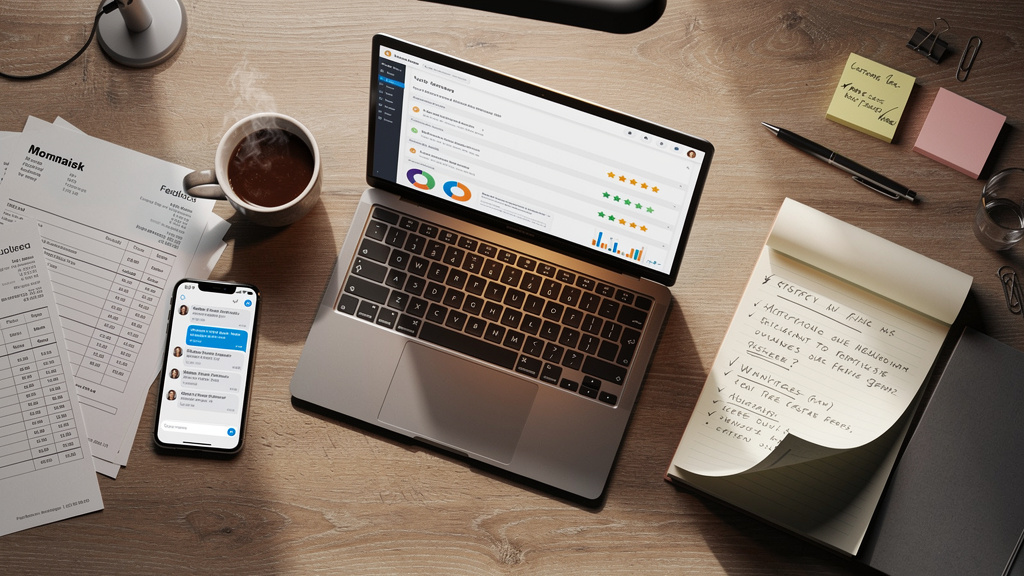 Many owners secretly dread feedback, yet it is one of the best tools for retention. When a customer takes time to share an opinion, they are investing energy into our business. That means they care enough to want things to improve rather than simply walking away.
Clear feedback also protects us from harsh public reviews. If frustrated customers have an easy way to talk to us directly, we can fix problems in private and turn a bad moment into a loyal relationship.
How to Collect Feedback Effectively
- Make it simple. Use short email surveys, comment cards at the counter, or small pop‑ups on the website. A few quick questions that take less than a minute work best.
- Stay focused. Ask three to five key questions and add an optional open text box. Questions such as “How friendly was our staff?” or “How easy was it to book?” give clear direction.
- Use multiple channels. Some customers answer emails, others tap a smiley face on a tablet by the exit, and younger customers might respond to a quick social media poll. The wider the net, the better the picture we get.
The Critical Close‑The‑Loop Step
Collecting feedback is only half of the work. The magic happens when we respond and act:
- Thank people who leave detailed comments.
- Fix specific issues when customers raise them.
- Look for patterns in repeated complaints or requests.
When many people ask for a change, such as longer weekend hours or clearer pricing, and we adjust, we should share that news. For example:
“You asked for earlier openings on Saturday — we listened. We now open at 8 a.m.”
Customers who see their ideas turned into action become some of our strongest supporters.
5. Build a Referral Program That Rewards Your Best Customers
 Happy regulars already talk about us. A good referral program gives that natural behavior a clear path and a fair reward. Studies show that referred customers stay with a business longer and spend more than those found through ads. That means referrals help both growth and retention at the same time.
Elements of an Effective Referral Program
- Offer double‑sided rewards. Reward both the person who refers and the new customer. For example, give each of them ten dollars off a purchase or a free add‑on after the first visit.
- Keep the rules simple. Customers should not have to remember complex codes or steps. A single link they can text, share in a chat, or post on social media works well.
- Make rewards fair. If we offer too little, nobody shares. If we offer too much, we hurt profit. Test a few offers, then stick with the one that performs best.
- Track referrals automatically. Manual tracking often leads to mistakes and missed rewards. Digital tools that record referrals and issue rewards on their own keep the program smooth and trustworthy.
How to Promote Your Referral Program
A referral program only works if people know about it. To spread the word:
- Add a short line about it on receipts and booking confirmations.
- Mention it in post‑purchase emails and at the counter.
- Place small signs on tables or near the exit.
- Ask staff to bring it up gently with regulars.
Lealtad App helps by handling the tracking and reward delivery in the background. Customers can share their referral link right from their phones, while the platform records who invited whom and when to add rewards. That means less admin work for the owner and a smoother experience for customers.
6. Create VIP Experiences With Exclusive Perks
People love to feel like insiders. When regulars receive access or care that casual visitors do not, they form a deeper attachment to the business. Many owners think this requires costly gifts, but in most cases, thoughtful, low‑cost perks work very well.
Exclusive Perks That Drive Loyalty
- Early access to new items. Invite regulars to try a new seasonal drink, product line, or service before launch. That early peek builds excitement and a sense of pride.
- Private events for top customers. Appreciation nights, tasting sessions, or small workshops let staff and customers connect beyond quick checkouts. These events do not need fancy decorations; simple snacks and a relaxed mood go a long way.
- VIP hours. Offer quieter shopping or booking windows for loyalty members, such as opening an hour early on a busy holiday weekend or reserving a calm block for nervous pets at a grooming salon.
- Surprise upgrades. A free dessert for a regular diner, a complimentary conditioning treatment at a salon, or an unannounced product sample tucked into a bag all feel special. Occasional surprises keep customers curious and emotionally engaged.
An easy way to manage this is to track top customers by visit count or total spend and plan small surprises for them each quarter. With Lealtad App, you can tag segments of your customer base and send special perks or codes directly to them, without guessing who qualifies.
7. Build a Community Around Your Business
 The strongest local businesses are more than places to buy things. They feel like part of daily life. When customers see a shop or salon as “their place,” they return regularly and defend it in conversations with friends. Large chains often struggle to create that kind of bond, which gives local owners a real edge.
Community building does not require big budgets. It requires intention and small, steady actions that bring people together around shared interests and values.
Community Building Tactics
- Host events that fit your style. A coffee shop can run open mic nights or latte art classes. A salon can teach basic styling for teens before prom season. A pet store can support adoption days with local shelters.
- Create social spaces. This might be a private Facebook group, a chat group for top loyalty members, or simply seating that invites people to sit and talk. When customers meet each other through us, our brand becomes part of their friendships.
- Partner with nearby businesses. A café and a bookstore might share stamps on a local “passport” created in Lealtad App. A fitness studio and a smoothie bar might run a joint challenge. Cross‑promotions like these widen our reach and deepen local ties.
- Support local causes. Sponsoring youth sports, hosting coat drives, or donating a small share of a special menu item to charity all send a clear message. People prefer to support businesses that give back to the same streets they walk each day.
Digital Community Presence
Our online presence backs up all this offline activity. When we:
- Reply to comments,
- Share behind‑the‑scenes photos of staff, and
- Celebrate customer milestones,
we make our brand feel human.
Posting about loyalty members who hit a reward tier, birthdays, or “one year since your first visit” moments gives customers reasons to smile and engage. Lealtad App can help by tracking key dates and sending automatic messages that mark these special moments. Combined with genuine in‑person warmth, this builds a community that chooses us again and again.
Conclusion
Looking at all seven methods at once can feel like a lot. The good news is that we do not need to put everything in place this week. We can start small, build one habit at a time, and stack wins as we go.
For most local owners, the smartest first step is a simple digital loyalty program. With Lealtad App, that is something we can set up in under five minutes on a phone. Once it is running, it supports better service, smarter messages, referrals, VIP perks, and win‑back offers almost by itself.
Remember the numbers. Keeping just a few more regulars can add thousands of dollars in yearly revenue. A five percent bump in retention can raise profits by twenty‑five to ninety‑five percent. That is hard to match with any ad spend.
In 2025, shifting even a slice of our budget from constant customer hunting to thoughtful retention is one of the best moves we can make. Our best customers already know us and like us. With these seven strategies and a tool like Lealtad App on our side, we can give them plenty of reasons to keep coming back — and to bring their friends along.
Ready to Turn One-Time Visitors Into Loyal Regulars?
You've just learned the seven proven strategies that local businesses are using to boost repeat customers by 25–95% in 2025. Now it's time to put them into action.
The fastest way to start? Launch your own custom-branded digital loyalty program—without the tech headaches, expensive hardware, or confusing setup.
Here's what happens next:
👉 Book Your Free Strategy Demo at lealtadapp.com/demo
In just 15 minutes, you'll discover:
- ✅ How to build your loyalty program in under 10 minutes (yes, really)
- ✅ Which program type—stamps, cashback, tiers, or subscriptions—fits your business best
- ✅ Exactly how other local businesses are adding thousands in annual revenue from existing customers
No credit card required. No pressure. Just a clear roadmap to more repeat customers.
After your demo, you can sign up and go live the same day—right from your smartphone. No special equipment. No tech team needed.
FAQs
Question 1: How Much Should I Budget for a Customer Loyalty Program?
Many owners assume a loyalty program requires a huge budget, because older enterprise systems often cost thousands per month. That might be true for chains, but local shops do not need anything close to that.
With modern platforms such as Lealtad App, costs are designed for small business wallets and usually sit well below what a few days of online ads would cost. The main expense after that is the rewards, which we can build into our pricing and margins. In most cases, extra revenue from repeat visits more than covers the small monthly fee.
Question 2: How Long Does It Take to See Results From Customer Retention Strategies?
Some signs appear quickly. Within a few weeks, we can see:
- Loyalty signups rising,
- More feedback responses, and
- Early referral activity.
Deeper numbers such as repeat visit rate and customer lifetime value tend to show a clear shift after sixty to ninety days, once people have had time to return. Certain tactics, like a win‑back offer for inactive customers, can bring people through the door in just a few days. The longer we keep going, the more the gains build.
Question 3: What Is the Best Way to Promote My Loyalty Program to Customers?
The key is to mention the program in several places instead of relying on a single sign:
- Have staff talk about it during checkout and invite customers to scan a code to join.
- Add banners on your website and posts on social media.
- Include a short line in your email signature and booking confirmations.
- Offer a small “join now and get your first reward faster” incentive.
With Lealtad App, customers can join by scanning a simple code, so they do not need to install heavy software or learn a new system.
Question 4: Should I Offer Discounts to Bring Back Inactive Customers?
Targeted discounts can be very effective when we use them with care. A good approach is:
- Start with a friendly “We miss you” message.
- Follow with a modest limited‑time offer if there is no response.
That might be a small percentage off, a bonus loyalty stamp, or a free add‑on. What we want to avoid is training regulars to wait for constant discounts. After they come back, the focus should shift to service, experience, and rewards that do not always cut into price.
Question 5: Can I Run a Loyalty Program Without Expensive Hardware or Technical Skills?
Yes, and this is one of the biggest changes in recent years. Many owners still picture loyalty systems that require special card readers or deep links to the point of sale.
Lealtad App is built to avoid that situation. You can launch and manage a full digital loyalty program from a single smartphone, with:
- No extra terminals,
- No card printers, and
- No tech staff.
If you are comfortable sending a text message or opening an app, you already have the skills needed to keep it running. This removes one of the last barriers that kept local businesses from competing with much larger brands on loyalty.