
Why "Bigger" Doesn't Necessarily Mean "Better" – How Cost Effective Loyalty Programs Quietly Drive Repeat Visits For Local Shops
Why "Bigger" Doesn't Necessarily Mean "Better" – How Cost Effective Loyalty Programs Quietly Drive Repeat Visits For Local Shops
Dec 27, 2025
Picture this: a cafe owner spends hundreds of dollars every month on social media ads, sees a tiny spike in new faces for a week, and then everything goes quiet again. Across town, another cafe runs cost effective loyalty programs and gives regulars a free drink every few visits. That second cafe spends far less and keeps seeing the same happy customers week after week.
Many local owners think “real marketing” means big ad budgets and complicated software. If a platform is not expensive or packed with fancy tools, it can feel like it will not move the needle. For small brick-and-mortar shops, the opposite is usually true. Simple, cost effective loyalty programs often beat big, flashy campaigns.
Research backs this up:
- Getting a new customer can cost five to twenty-five times more than keeping an existing one.
- A five percent lift in retention can boost profit by twenty-five percent or more.
- Regulars spend about sixty-seven percent more than first-timers over time.
“The purpose of a business is to create and keep a customer.” – Peter Drucker
For restaurants, salons, barbershops, pet care, and cleaning services, this is powerful. In this article, you will see why “bigger” does not mean “better” for local shops, how cost effective loyalty programs beat expensive ads, which features actually matter, and how to start in five minutes with nothing more than a smartphone.
Key Takeaways
- Bigger spend ≠ better retention. Focusing on the customers you already have is almost always cheaper and more reliable than chasing strangers with constant ads and deep discounts.
- Simple wins. Straightforward digital loyalty programs remove printing waste, reduce staff time, and often drive more repeat visits than complex, enterprise-style systems.
- Fast rollout is possible. With the right features and a clear plan, a local business can launch a loyalty program in minutes, promote it on a small budget, avoid common mistakes, and see measurable gains in repeat visits and revenue within the first few months.
The Hidden Cost Trap: Why Traditional Marketing Fails Local Businesses
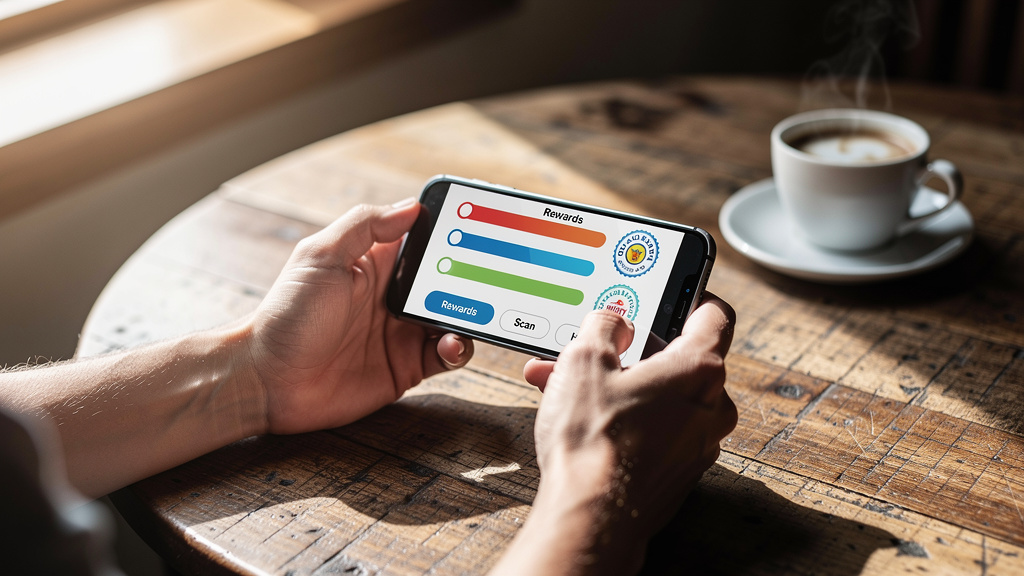 When cash is tight, many owners start by “getting their name out there” with ads. The problem is that new-customer marketing is expensive and short-lived. Studies show that acquiring a new customer can cost between five and twenty-five times more than keeping someone who already knows and likes your business. That math is tough for local shops that rely only on paid visibility.
Repeat customers behave very differently:
- They visit more often.
- Over time they spend about sixty-seven percent more.
- A small five percent increase in retention can raise profit by twenty-five percent or more.
So, steady effort on cost effective loyalty programs can beat a constant cycle of promotions and ad campaigns that bring people in once and then lose them.
Many owners fall into what we call the visibility trap. It feels safer to:
- Keep boosting social posts.
- Run flyers or print coupons.
- Test new ad platforms “just to stay in front of people.”
The metrics look exciting—impressions, clicks, reach—but the effect usually fades fast and is hard to connect to real repeat visits. Meanwhile, the ad spend goes out every month whether customers return or not.
Local restaurants, salons, barbers, pet groomers, and cleaners also face another issue: time. Managing multiple ad dashboards, tweaking targeting, and tracking coupon codes becomes one more stress on an already full plate. The more channels they add, the harder it is to know what is actually working.
“Better” marketing for a local shop can be defined very simply. It should:
- Be easy to run.
- Stay affordable month after month.
- Tie directly to people walking back through the door.
That is exactly where cost effective loyalty programs shine. They create a clear loop between a visit, a reward, and the next visit—without chasing endless reach that does not pay back.
What Makes A Loyalty Program "Cost-Effective" (And What Doesn't)
A loyalty program is not cost-effective just because the monthly fee is low. For a local business, it is cost-effective when:
- Money and time going in are clearly lower than
- The extra revenue and repeat visits coming out.
A lot of hesitation comes from owners who have seen systems built for huge brands. Those platforms come packed with:
- Dozens of segments and conditions
- Complicated point rules
- Deep integrations and custom reports
They make sense for global chains with full marketing teams, but not for a neighborhood cafe or salon. Local shops do better with focused tools they can run during a normal shift.
For small, brick-and-mortar businesses, cost effective loyalty programs should offer:
- Simple earning rules – points per dollar, or digital stamps per visit.
- Fast redemption – rewards applied in seconds at the counter.
- Clear reporting – basic stats on sign-ups, repeat visits, and popular rewards.
- Smartphone-friendly design – so owners can manage everything on a phone they already use.
On the other hand, warning signs that a program may not be truly affordable include:
- Complicated tiered pricing with tiny limits that trigger surprise fees.
- Required hardware like special tablets or scanners that add upfront cost and break risk.
- Long, paid setup or training that drains energy before a single customer joins.
- High per-transaction fees that quietly rise as visits grow.
Pricing models matter too:
- Flat subscriptions make budgeting simple.
- Per-transaction fees may look cheap at first but can spike with volume.
- Tiered plans can work, as long as limits match your size and do not punish growth.
Implementation speed is another overlooked factor. A loyalty app that goes live in five minutes on a phone is far more cost-effective than one that needs weeks of tech work, even if both charge the same each month. At Lealtad App, we focused on this from day one: our platform runs on the phone an owner already has and can be configured during a quiet moment between customers.
When we compare options with owners, we often put the numbers side by side:
- Printing hundreds of physical cards every few months
- Plus staff time spent stamping, explaining, and replacing them
often costs more than a small digital subscription. A single week of social ads can match or exceed a full month of a digital loyalty tool. Once people see that picture, the value of cost effective loyalty programs becomes clear.
How Digital Loyalty Programs Eliminate Waste While Driving Revenue
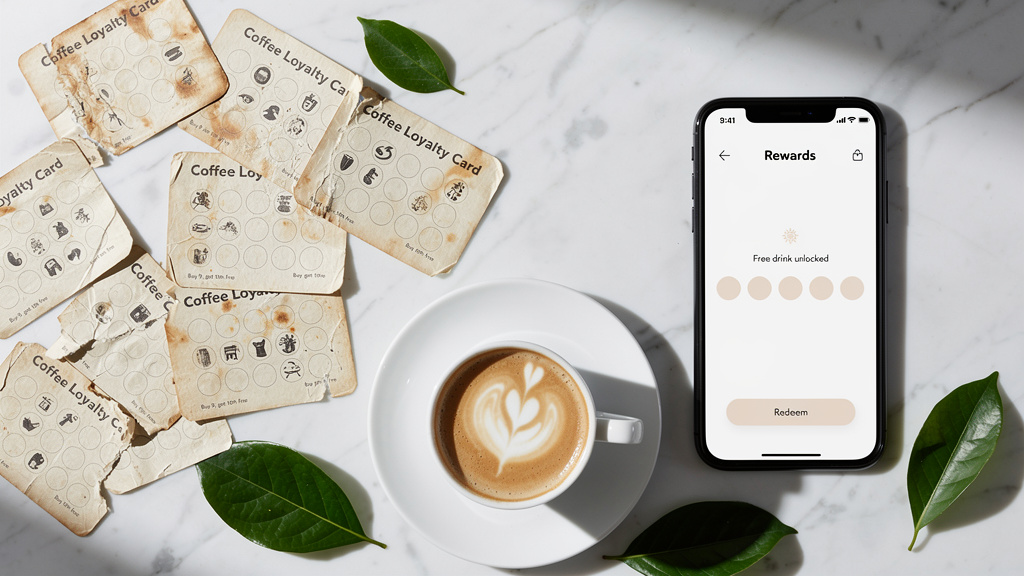 Punch cards look cheap, but they hide a lot of small costs:
- Design and printing
- Storage behind the counter
- Staff time explaining the program
- Lost, damaged, or forgotten cards
Over a year, these minutes and dollars add up, especially for busy cafes, salons, and pet care shops.
Digital cost effective loyalty programs remove nearly all of that waste:
- There is nothing to print or reorder.
- Guests never say, “I forgot my card.”
- A quick scan or tap records the visit and updates points or stamps.
- Lines move faster, counters stay cleaner, and staff spend less time on admin.
Going digital is also better for the environment. No physical cards means less paper and plastic headed for the trash. For eco-minded brands, a digital loyalty program lines up nicely with the values they share on menus, mirrors, or signs.
Revenue benefits are just as strong. Digital programs:
- Track visits and redemptions automatically.
- Show which rewards people like most.
- Remove guesswork around “Is this offer working?”
Most modern platforms, including Lealtad App, also include automated engagement tools such as push notifications. These can:
- Remind customers they are close to a reward
- Invite them back after a quiet spell
- Offer short-term bonuses like double stamps
Because these messages go to people who already like your business, they often feel like helpful reminders, not hard selling—and they do not require extra ad budget.
Studies show that members of loyalty programs are far more likely to stay with a brand than non-members. When we combine that with lower printing costs, less staff time, and better data, cost effective loyalty programs start to look like one of the strongest marketing moves a local shop can make.
The Right Features For Local Shops (Without The Enterprise Price Tag)
Local shops do not need every fancy marketing feature under the sun. They need the right mix:
- Keep customers coming back
- Fit naturally into daily operations
- Avoid burning hours on management
That is exactly how we designed Lealtad App—around what matters most on a busy shift, without the extra noise.
Simple Points And Stamp Systems That Actually Work
There is a reason “buy nine, get the tenth free” still shows up everywhere. It is:
- Simple
- Fair
- Easy to explain in one sentence
Digital cost effective loyalty programs take that same idea and move it onto a phone. A customer visits, staff add a stamp or points with a quick tap, and the next reward is always visible.
Different businesses can pick what fits best:
- Cafes – one stamp per drink, free coffee after five stamps.
- Salons – points per service, redeemable for a free add-on.
- Pet groomers – a stamp per visit, a free nail trim after a set number of appointments.
The key is clarity. If guests have to think hard about how many points they earn or what they are worth, they will ignore the program. The most effective setups sound like:
- “Five visits and your sixth coffee is free.”
- “Every dollar earns a point; one hundred points is ten dollars off.”
There is also psychology at work backed by research on when rewards connect to customer behavior. If a first reward takes twenty visits, it feels distant and uninteresting. If it comes after three to five visits, customers feel a quick win and want to keep going. Digital tools make it simple to adjust these thresholds until you find the balance between profit and motivation.
Automated Push Notifications: Your Silent Sales Team
 Even the best reward structure needs gentle nudges. That is where push notifications shine.
Compared to email, where open rates hover around twenty percent, push notifications often see engagement above forty percent—especially when messages are short and clear.
In cost effective loyalty programs, push notifications can:
- Remind someone they have a free drink or service waiting
- Send “we miss you” notes after a few weeks without a visit
- Offer double points during slow hours or rainy days
- Share birthday rewards or special perks for regulars
“It is not your customer's job to remember you. It is your responsibility to make sure they do.” – Patricia Fripp
The tone should stay friendly and helpful, not loud or salesy. A few thoughtful messages each month are enough. With Lealtad App, these alerts run automatically based on simple rules you set once—no extra ad spend, no daily manual work.
Over time, this gentle, low-cost contact can add a lot of visits and higher spend, without making anyone feel bombarded.
Real Success: Local Businesses Thriving With Affordable Loyalty Programs
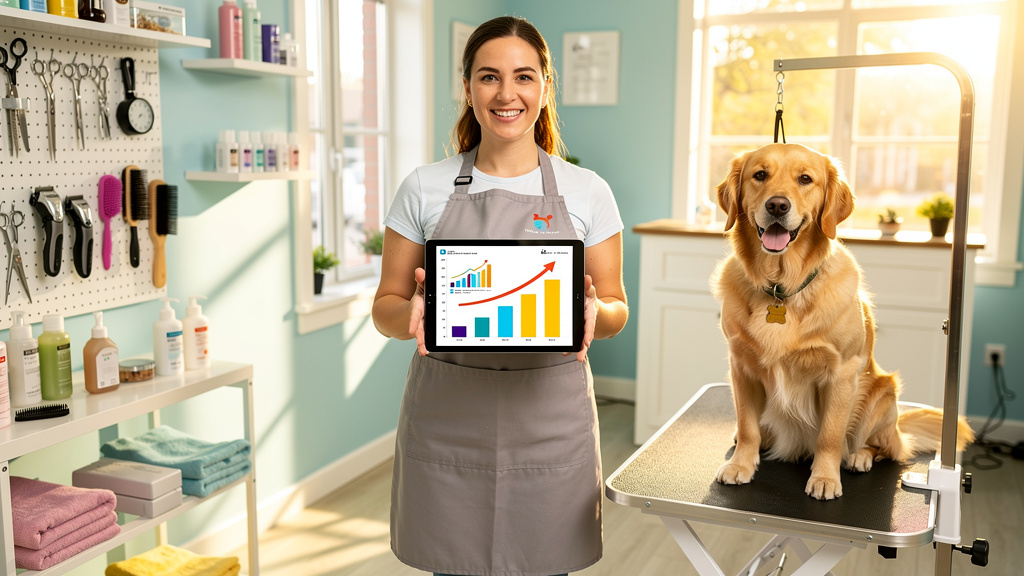 We have watched many local shops shift from scattered marketing to focused, cost effective loyalty programs and see results quickly.
- Cafe case – One small cafe swapped printed punch cards for a digital stamp program. Within three months, weekly visits from members climbed by about thirty-five percent. Regulars liked seeing their progress on their phones, and staff no longer sorted through piles of worn cards.
- Salon case – A neighborhood salon struggled with no-shows and irregular bookings. They added a simple points system tied to rebooking and paired it with automated reminders. Clients who rebooked before leaving earned extra points toward a free conditioning or brow service. Within two months, rebooking rates rose sharply and empty chair time dropped.
- Pet care case – A grooming and daycare shop had drawers full of half-stamped cards and no clear sense of who their best customers were. They moved to a digital program where each visit added points toward a free add-on. Over time, they saw that many members followed a clear six-week pattern. That insight helped them plan staffing and promos much better—and they stopped paying for physical card printing.
Across these stories, a few patterns appear again and again:
- None of the businesses bought heavy enterprise software.
- None hired big agencies.
- All chose cost effective loyalty programs they could run on phones they already owned.
- Automation handled reminders; owners tracked simple metrics like visit frequency and average ticket size.
For us at Lealtad App, the best feedback is not about a feature list. It is when owners say they feel back in control of retention, sleep better about their budgets, and see steady, predictable growth instead of sharp booms and busts.
Getting Started: Your 5-Minute Implementation Roadmap
Starting a loyalty program sounds big, but it does not have to be. With modern tools, a local shop can go from idea to first member in a single day.
Here is a simple roadmap:
- Choose a reward structure.
- Mostly similar purchases (coffee, quick trims)? Use a stamp model.
- Wide price range (salons, cleaning, some pet services)? Use points per dollar.
- Aim for a rule as simple as “visit five times, get one free” or “earn points that turn into ten dollars off.”
- Set up the program.
- With a platform like Lealtad App, you can:
- Create an account
- Pick a campaign type
- Customize basic details
- All from a smartphone, usually in under five minutes. Customers join by scanning a QR code, entering a phone number, or tapping a link on your website or social page.
- Define the first reward tier.
- Make that first reward reachable within three to five visits for most businesses:
- Free pastry at a cafe
- Conditioning add-on at a salon
- Free nail trim at a pet spa
- Write one clear sentence.
- Explain the program so anyone can repeat it easily:
- “Earn stamps toward free drinks every time you visit.”
- “Collect points each service and trade them for discounts.”
- Use this line on:
- Counter signs
- Social posts
- Website banners
- Staff scripts
- Train the team.
- A quick two-minute script is enough, for example:
- “We have a free rewards program that earns you points toward a free [service]. Would you like to join?”
- Show staff how to add points or stamps and where to send customers with questions.
- Soft launch, then refine.
- Invite regulars first, ask what they think, and make small changes before promoting the program hard. The big win is getting a live program in place; data and feedback will guide fine-tuning.
Promoting Your Program Without Spending A Fortune
A loyalty program only works if people know it exists. The good news is that promotion does not need to drain your budget. Cost effective loyalty programs pair perfectly with everyday, low-cost habits.
Focus on three channels:
- In-store
- Clear sign at the counter
- Small poster in the window
- Short line on printed receipts
- Keep the message direct: “Join our rewards, earn free visits.”
- Staff
- Train your team to mention the program at natural moments, like checkout or when complimenting a regular.
- Simple lines such as “Did you know you can earn points toward a free drink?” work well.
- Online
- A clear social post explaining what the program is and how to join
- A banner or button on your website linking to a short explanation
- An email to your list announcing the program with a small sign-up bonus
Time-limited offers can create early momentum:
- “Join this week and start with bonus points.”
- “Refer a friend and you both get a free add-on.”
These boosts run only for a few days or weeks, so they do not strain your budget but still give customers a reason to act now.
The real secret is consistency. Mention your loyalty program often enough that it becomes part of how people describe your shop.
“People do not buy goods and services. They buy relations, stories and magic.” – Seth Godin
A clear reward program is one of the simplest ways to turn everyday visits into an ongoing relationship.
Avoiding The Costly Mistakes That Kill Loyalty Programs
Not every loyalty program thrives, and understanding the loyalty trap of poorly designed programs helps avoid common pitfalls. The ones that struggle usually stumble on a few common issues. The good news: they are easy to avoid once you know them.
Watch out for these mistakes:
- Rules that are too complex
- If staff or customers cannot explain the program in one sentence, it is probably too confusing. Long lists of exceptions or hard math cause people to ignore the program.
- Rewards that feel too far away
- If the first reward takes twenty visits or very high spend, most guests will never get there. Design cost effective loyalty programs so the first reward comes after just a handful of visits.
- Weak staff training
- When employees do not understand the program, they will not talk about it—and may give wrong answers. A short training and a simple reference sheet can fix this.
- Poor visibility
- Some businesses “hide” their loyalty program without meaning to: tiny signs, no mention on the website, and staff who rarely bring it up. Treat your loyalty program as a core part of service, not a side project.
- Rewards nobody cares about
- A cafe might discount a slow-moving menu item, while everyone really wants free coffee. Watch which products sell best, and ask a few regulars what they would love to earn.
- Set and forget
- While cost effective loyalty programs are low-maintenance, they are not zero-maintenance. Take a quick monthly look at:
- New sign-ups
- Visit frequency
- Reward redemptions
- Small tweaks can keep things fresh without turning this into a full-time job.
For most local shops, the winning formula is:
- Straightforward structure
- Clear value
- Steady promotion
- Genuine staff enthusiasm
With those in place, any needed course corrections are simple.
Conclusion
For local shops, bigger marketing budgets and complex systems do not automatically bring better results. What matters is whether a strategy makes real customers walk back through the door again and again. Cost effective loyalty programs do exactly that by focusing on people who already enjoy your business and giving them a clear reason to return.
Shifting even a small portion of budget from new-customer ads to retention taps into powerful economics:
- Keeping a customer is far cheaper than finding a new one.
- Loyal regulars tend to visit more often and spend more over time.
- Digital programs remove the waste of physical cards and provide clean, useful data.
The best part is how accessible this has become. A smartphone-based platform like Lealtad App can be set up in minutes, with no special hardware or technical background. Restaurants, cafes, salons, barbershops, pet care providers, and cleaners can all run professional loyalty campaigns that fit their size and personality.
While some competitors pour money into ads that stop working the moment the budget ends, shops with strong loyalty programs quietly build a base of steady, repeat customers. The risk is low, the investment is manageable, and the results are easy to measure.
Now is a smart time to explore tools built specifically for local businesses—such as Lealtad App—and see how cost effective loyalty programs can support long-term growth. The sooner you start rewarding your regulars in a smart way, the sooner they start coming back more often and bringing friends with them.
Ready to Turn More Walk‑Ins Into Regulars?
If you’re tired of spending money on ads that stop working the moment you stop paying, this is your next smart move.
Lealtad App shows local business owners how to launch a simple, custom‑branded digital loyalty program in less than 10 minutes—using only the phone you already have. No hardware. No complicated setup. No big budget.
Start free and see how easy retention can be.
👉 Get the free guide: 5 Loyalty Strategies to Generate More Cashflow Fast
👉 Visit: https://lealtadapp.com/qs-guide
👉 Sign up in minutes and learn how to turn today’s customers into repeat visits—and steady revenue.
This guide walks you through:
- The fastest loyalty setups for local shops
- Simple rewards that bring customers back again and again
- How to start seeing results without ads or discounts
If you want more repeat visits without more stress or spend, this is the easiest place to start.
FAQs
Question: How Much Does A Cost-Effective Loyalty Program Actually Cost Per Month?
Most cost effective loyalty programs for small businesses range from free starter plans up to around fifty to one hundred fifty dollars per month for more advanced options. That monthly price often matches what a shop might spend on a single week of social media ads or a batch of printed loyalty cards for a quarter. When the program brings back even five to ten extra visits each month, it often pays for itself. Many platforms, including Lealtad App, offer flexible pricing that scales with business size.
Question: Do I Need Special Equipment Or Technical Skills To Run A Digital Loyalty Program?
You do not need special equipment for modern digital loyalty programs. A regular smartphone is usually enough to:
- Sign up customers
- Add points or stamps
- Check basic reports
These apps are built for owners who are not tech experts, with clear screens and simple steps. Setup often takes less than five minutes with guided prompts. If someone is comfortable sending text messages, they can manage cost effective loyalty programs without trouble.
Question: Will My Customers Actually Use A Digital Loyalty Program Instead Of Physical Cards?
Many customers now prefer digital rewards because they cannot be lost or forgotten at home. Studies suggest that more than sixty percent of shoppers favor digital programs over old-style punch cards. Members like:
- Seeing all their points or stamps in one place
- Receiving instant notifications when they earn or redeem
Both younger and older guests adapt quickly when the system is simple. Digital cost effective loyalty programs also appeal to people who care about the environment, since they cut down on paper and plastic waste.
Question: How Quickly Will I See Results From Implementing A Loyalty Program?
Most local businesses notice early signs of momentum within the first two to four weeks, especially if staff invite customers actively. As enrollment grows, the effect compounds. By the second or third month, many shops see:
- A clear increase in repeat visits
- Higher average spend from members
A gain of twenty to thirty-five percent in return frequency during the first quarter is common when the program is promoted steadily. The longer cost effective loyalty programs run, the more valuable they become, as more data and more loyal customers build up over time.