
What Are Loyalty Points? Restaurant Loyalty Points Explained
What Are Loyalty Points? Restaurant Loyalty Points Explained
Feb 19, 2026
Many restaurants get their customers using expensive ads. First-time customers may have loved the food and snapped photos, but a week later, most never returned. In fact, industry data shows that, for many restaurants, 7 out of every 10 new customers will never return. Without a loyalty program to bring them back, marketing costs keep climbing while cash flow stays flat. The real enemy isn't competition—it's spending money to attract customers without a plan to keep them coming back.
To keep those seats full, many owners pour money into ads, delivery platforms, and discounts. The moment the ad spend stops, new customers slow down again. It starts to feel like paying rent on attention. At some point, the question appears: what are loyalty points, and could they be a smarter way to keep people coming back?
Loyalty points turn every visit into progress toward something that feels real: a free dessert, a drink, or money off the next bill. Instead of a punch card that gets lost in a wallet, points live in a digital wallet on a phone. Customers share contact details and habits; you thank them with rewards and better service.
By the end of this article, you will know what loyalty points are, how they work for restaurants, why they change guest behavior, and how to set up a program that fits a small place, not a giant chain. You will also see how a platform like Lealtad App lets you launch a modern, card‑free restaurant loyalty program in minutes, without extra hardware or tech stress.
Key Takeaways
- Loyalty points are digital rewards that guests earn and redeem, like a smarter version of the old punch card. They act as soft currency inside your restaurant and are tracked automatically instead of stamped on paper.
- Restaurants can award points for more than spending money. Points for sign‑ups, reviews, referrals, birthdays, and events keep people engaged between visits and build a stronger bond than discounts alone.
- A well‑planned points program often lifts sales from repeat customers by around 20 percent. Members visit more often and spend a little extra to reach the next reward, which adds up over a year.
- Digital loyalty platforms such as Lealtad App remove the need for plastic or paper cards and work with mobile wallets guests already use. They usually cost far less than ongoing ad campaigns and do not require pricey hardware.
- Features such as push notifications and location‑based offers turn a quiet points program into a steady reminder to visit. When guests see they are close to a reward or receive a timely offer nearby, they are more likely to choose your place.
What Are Loyalty Points? The Digital Upgrade Your Restaurant Needs
When people ask what are loyalty points, the simplest answer is that they are a kind of digital currency inside your restaurant. Guests earn points when they do things you value, most often when they pay the bill, but also when they refer a friend, leave a review, or join your list. Over time, they trade those points for rewards such as discounts, free items, or special experiences.
Think of this as a smarter punch card. Instead of one stamp per coffee on paper, a guest collects points on their phone for many actions. Those points stay tied to their name or phone number, so they do not disappear in a laundry cycle or sit forgotten in a drawer. Every point carries a clear value guests can see.
This kind of program helps you as much as it helps them. Each time a guest earns or spends points, you learn more about how often they visit and what they order. Guests give steady business and a bit of data; you give something back that has real worth. In daily restaurant life, every point becomes a small reason to come back to you instead of trying the new spot across the street.
How Loyalty Points Work in Restaurants: Simple Mechanics, Powerful Results
 Behind every points program sits a small digital wallet for each guest. This wallet tracks how many points they have, how they earned them, and which rewards are ready. It might live in a mobile app, in Apple Wallet or Google Wallet, or inside a system like Lealtad App that connects to a merchant app at your counter.
Every program rests on two basic parts:
- How guests earn points
- How guests redeem points
Once these rules are clear, both staff and customers can follow them without confusion.
How Restaurant Customers Earn Points
Most restaurants start with spending as the main way to earn points. Two simple options are:
- Points per dollar: for example, 10 points for every dollar on the check
- Points per visit: for example, 100 points for any order, no matter the size
Both styles are easy to explain at the table or on a menu.
You can also reward actions that help your brand even when someone is not in the dining room. Common ideas include:
- Sign‑up bonus for new members
- Referral points when a guest brings a friend
- Review points for honest Google or Yelp reviews
- Birthday bonuses for celebrating with you
- Event points for wine nights, tastings, or chef’s tables
The key is to highlight the actions that matter most for your goals. If you want more reviews, focus rewards there. If you want to fill slow nights, offer extra points on Mondays. By rewarding both purchases and helpful behavior, you move the relationship beyond simple transactions.
How Restaurant Customers Redeem Points
Earning points works only if rewards feel worth it and easy to use. Popular reward types include:
- Straight discounts: for example, 500 points for $5 off the next check
- Free menu items: a dessert, appetizer, house drink, or even a full entrée
- Fee coverage: points that pay for delivery or small service upgrades
- Experiences: early tastings of new menu items or invites to special events
Some restaurants also let guests donate points to local causes such as food banks or community groups. Whatever you choose, guests should see their balance and rewards clearly, and staff should redeem them in seconds without fuss.
Why Loyalty Points Actually Work: The Psychology Behind Repeat Restaurant Visits
 Loyalty points are not magic, but they fit how people already think and act. Once a guest earns points at your place, those points start to feel like something they own. This feeling, often called the endowment effect, makes them more likely to protect and use the points instead of ignoring them.
Another pattern is the goal‑gradient effect: people move faster as they get closer to a goal. A guest with 50 points toward a 500‑point reward may wait before coming back. A guest sitting at 450 points often visits sooner and spends a bit more to cross the line, especially when they can see progress in a mobile wallet.
There is also power in showing progress early. A welcome bonus gives new members a head start and makes the first reward feel close. Clear point expiration dates, with good reminders, tap into loss aversion and nudge people to return before points fade.
"What gets rewarded gets repeated." — common saying in loyalty marketing
None of this depends on pushy tactics. It simply lines up guest rewards with the steady repeat visits your restaurant needs.
The Real Business Benefits: How Loyalty Points Help Your Restaurant Thrive
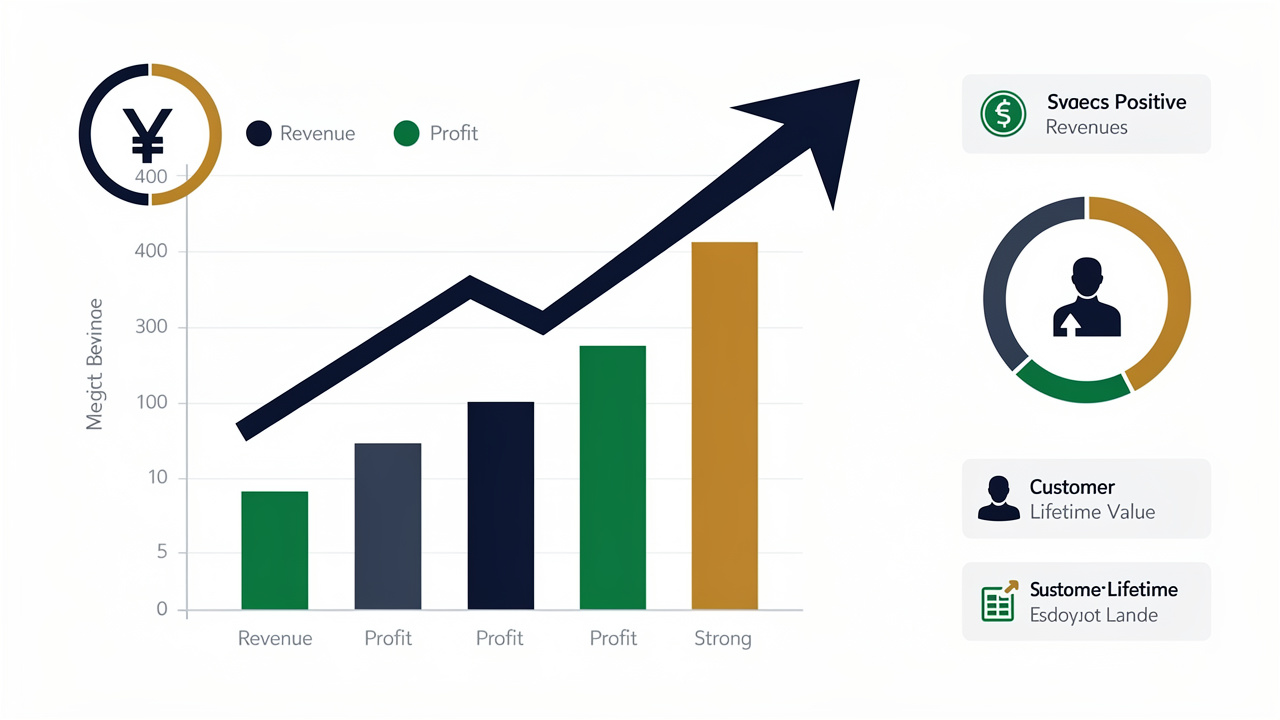 Nice theory is not enough; the real test is the impact on your bottom line. When a points program is set up well, it tends to increase repeat visits, average check size, and long‑term value per guest. At the same time, it can reduce your need for constant paid ads and give you better information about your best customers.
Increased Sales and Customer Lifetime Value
Research shows that loyalty programs really do work—digital loyalty programs often raise sales from members by around 20 percent. Members come back more often than non‑members and are more likely to add an extra drink, dessert, or appetizer to move closer to a reward.
For example, a guest who visits twice a month and spends $25 per visit brings in about $50 each month. If the program nudges them to visit three times instead, with the same check size, that jumps to $75 a month, or $300 extra a year from that one person. When this pattern repeats across a few hundred regulars, the added revenue becomes significant.
Lower Customer Acquisition Costs
Getting brand‑new customers through Facebook ads, Google ads, or delivery app placements is expensive and never really ends. You pay each month just to keep the same level of attention. Retaining the people who already like your food costs far less, often several times less than finding strangers.
A loyalty program shifts more of your budget toward guests who have already chosen you once. The setup cost is modest, and the program keeps working as long as you keep promoting it. Instead of renting reach from ad platforms, you build a direct list of people who want to hear from you.
"The purpose of business is to create and keep a customer." — Peter Drucker
Loyalty points help you do exactly that.
Better Customer Data and Personalization
Paper punch cards tell you almost nothing about who your best customers are. A digital points system changes that. Every visit and redemption builds a profile that shows how often someone comes in, how much they spend, which rewards they like, and how they respond to offers.
With that insight, you can:
- Thank top spenders with special invites
- Reach out to guests who have not visited in a while
- See which rewards bring people back most often
When guests feel noticed and appreciated instead of treated like a receipt number, they are far more likely to stay loyal.
Setting Up Your Restaurant's Points Program: Practical Considerations
Designing your own points program does not need to be hard or fancy. A few clear choices on value, earning rules, and rewards will take you most of the way. Starting simple is usually better than building a perfect system on day one.
Calculating Your Point Value
The math behind point value is straightforward:
- Choose a reward, such as $10 off a bill.
- Decide how many points it should require, for example 1,000 points.
In that case, each point is worth one cent: $10 ÷ 1,000 points = $0.01 per point.
Next, connect that value to how people earn points. If someone earns one point per dollar, they would need to spend $1,000 to get that $10 reward, which is only one percent back and may feel weak. Many restaurants aim for a give‑back rate between 3 and 5 percent, which feels fair to guests while still leaving room for profit.
You can test and adjust over time:
- Start on the safe side
- Watch how often guests redeem
- Make rewards richer later if needed
Choosing What Customers Earn Points For
Begin with one main rule that ties points to spending, such as points per dollar or per visit. Then look at your goals for the next few months:
- Need more online reviews? Offer points for honest feedback.
- Slow Monday nights? Give double points only during that window.
- Want more word‑of‑mouth? Add a strong referral bonus.
Referrals deserve special focus because a regular who brings a friend is far more valuable than a stranger from an ad. Birthday rewards and points for joining your list are also simple ways to stay in touch.
Try to keep the full list of earning actions to three to five at the start so staff can explain it in under half a minute.
Selecting Meaningful Rewards
Rewards work best when they match what guests already love about your place. Free or discounted signature items — a famous dessert, house appetizer, or popular entrée — usually feel more exciting than slow‑moving dishes.
You can create a small ladder of rewards:
- A quick win, such as a free drink
- A mid‑level reward, like an appetizer
- A bigger goal, such as a meal for two
Experiences also stand out: a tasting flight, a chef meet‑and‑greet, or early access to a seasonal menu. As you set these up, keep an eye on food costs so high‑cost items are not given away too easily. Over time, watch which rewards get claimed often; that pattern will tell you what to keep or change.
Why Digital Loyalty Beats Physical Punch Cards Every Time
 Many restaurants still hand out punch cards because they feel simple and cheap. In practice, they often create the appearance of a loyalty program without much impact.
Common problems with punch cards include:
- Guests forget them at home
- Cards get lost, bent, or washed
- Progress is broken when a card disappears
- There is no name, email, or visit history
- Stamps can be faked or doubled
- Cards add more paper waste
Every card follows the same one‑size‑fits‑all rule, with no way to reward special behavior or recognize your best guests.
Digital loyalty flips this picture. The customer’s “card” lives on their phone, often inside Apple Wallet or Google Wallet, so it is rarely forgotten. Each scan or stamp adds data to a profile, which helps you see patterns and plan better offers. You can send push notifications about new rewards, birthday gifts, or soon‑to‑expire points — something cardboard can never do.
Modern tools such as Lealtad App let you change earning rates, test short‑term promos, and fight fraud, while presenting a modern, paper‑free image that fits eco‑minded values.
How Lealtad App Makes Loyalty Points Simple for Restaurants
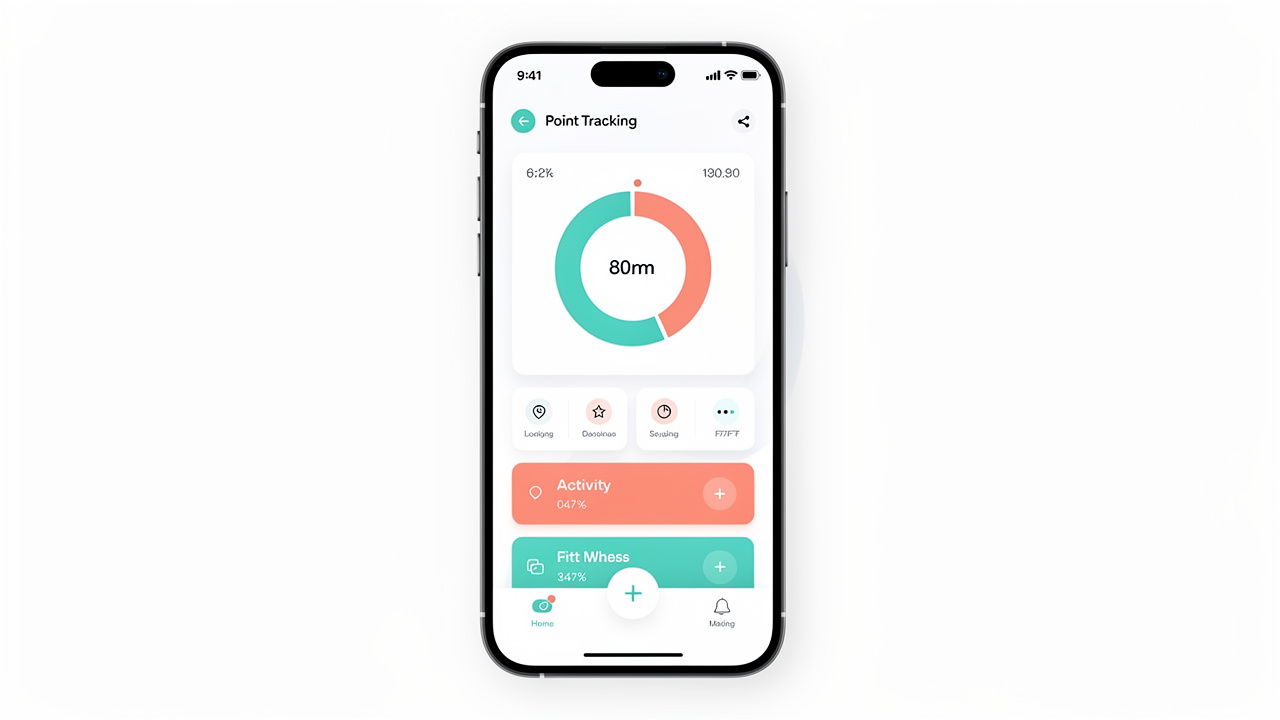 Lealtad App was built with small, local restaurants and cafes in mind, not giant chains with big tech teams. The goal is to give you a fast, friendly way to run digital loyalty without adding stress to your day. If you can use a smartphone, you can use Lealtad App.
Guests do not need to download another app. Instead, they join your program through their existing mobile wallets, such as Apple Wallet or Google Wallet, so their digital card sits next to their payment cards. Staff use the Merchant Stamper App on a phone to add points at the counter or table with just a couple of taps. No extra hardware or point‑of‑sale overhaul is required.
Key advantages include:
- Fast setup: Step‑by‑step screens guide you through choosing point values, rewards, and branding. You can go from idea to live program between lunch and dinner service.
- Active engagement: Automated push notifications remind people about their points, share new offers, and can trigger when someone is near your place. That quick reminder often becomes an extra visit you might have missed.
- Budget‑friendly pricing: Plans are designed for small business budgets and often cost far less than a month of ad spend, with no need for special terminals or long contracts. Many restaurants see a sales lift from loyalty members that more than covers the monthly cost.
- Ongoing support: You get access to guides, webinars, and practical tips on topics like designing your first campaign, raising enrollment, or boosting point redemptions. Real‑world stories from other owners make it easier to copy smart ideas into your own dining room.
Because Lealtad App is fully digital and paper‑free, it also fits well if you care about waste and sustainability. Most important, it helps you build direct relationships with your customers instead of leaving that power with delivery apps or ad platforms.
Common Mistakes Restaurant Owners Make With Loyalty Programs (And How to Avoid Them)
Plenty of restaurants try loyalty once, make a few missteps, and decide it “does not work.” In most cases, the idea is fine, but the details make it hard for guests or staff to care. Learning from common errors can save time and money.
- Rewards are too far away. If someone has to spend $500 to get $5 back, they will see little reason to join. Aim for a first reward within three to five normal visits so people feel progress quickly.
- Rewards are not appealing. When the prize is a dish guests rarely order, few people will chase it. Use crowd favorites and signature items because those already have emotional pull.
- Rules are too complex. If staff need a cheat sheet and guests need to do math at the table, sign‑ups will stall. Keep earning and spending rules simple enough to explain in one short speech.
- The program goes quiet after launch. Some owners launch, mention it once, then never talk about it again. Guests are busy and will forget unless you remind them on menus, table tents, receipts, and social channels.
- Points never expire. Endless points build a growing promise on your books and give guests no reason to act soon. A clear expiration window, such as 12–18 months, with polite reminders, balances fairness and urgency.
- Data is ignored. Digital loyalty gives you insight into who visits, how often, and what drives redemptions. Taking a little time each month to review this helps you refine rewards and fix weak spots.
- Staff are not trained. If servers are not excited or do not know how the program works, sign‑ups stay low. A short training and simple talking points turn your team into natural promoters.
Getting Started: Your Next Steps to Implement Loyalty Points
Moving from ideas to action is easier than it seems. With a clear plan, you can have a simple points program running in days, not months.
- Choose one or two main goals. For example: more weekday visits, higher average checks, or more online reviews. These goals shape every other choice.
- Check your margins. Look at food costs and profit. Decide what percentage of each bill you can safely give back through rewards, often 3–5 percent. Use that number to set earning rates and reward costs.
- Set simple rules. Points per dollar spent plus a small sign‑up bonus is a strong base. Add two or three clear rewards so guests can see both quick wins and a bigger prize.
- Select a platform that fits small restaurants. Look for tools that work on smartphones and use mobile wallets so guests do not need to install an app. Lealtad App was built for this setup.
- Train your team. Before launch, make sure every server can explain how guests join and what they get in under 30 seconds. Role‑play a few sign‑up talks so it feels natural.
- Promote the program everywhere. Mention it on menus, signs, social posts, your website, and delivery inserts. The more often people see it, the faster enrollment grows.
- Review and adjust. After the first month or two, check how many people joined, how many rewards were used, and what guests are saying. Adjust point values, rewards, or messages as needed instead of waiting a full year.
Conclusion
For a small restaurant, chasing new customers with ads month after month can feel like running on a treadmill. The real gains come when first‑time visitors turn into regulars who know the staff, love the menu, and bring friends. Loyalty points give you a clear, proven way to make that happen.
A good points program helps in three direct ways:
- It raises sales from repeat guests, often by around 20 percent.
- It reduces your need for constant paid ads by making better use of the customers you already have.
- It gives you data and direct contact so you can treat your best customers like the VIPs they are.
Switching from punch cards to digital may feel like a big step, but platforms like Lealtad App remove most of the friction. You do not need special hardware or deep tech skills, just a smartphone and a few minutes to set things up. Every week you wait is another week where guests leave with nothing tying them back to you.
Your customers are already looking for a reason to choose your restaurant again instead of trying somewhere new. Give them that reason with loyalty points they can see and use. Take a closer look at how easy it is to launch a digital program with the Lealtad App and start turning first‑time visitors into regulars who cannot wait to return.
FAQs
Question 1: Do My Customers Really Want a Digital Loyalty Program, or Will They Miss Punch Cards?
Most customers prefer digital loyalty once they try it, especially when it comes with clear points and rewards. Physical punch cards are easy to lose or forget, which frustrates people who feel they “earned” a stamp. A card stored in Apple Wallet or Google Wallet is always with them on the phone they already carry. Younger guests, in particular, expect this kind of simple digital experience, and the switch is usually smoother than owners expect.
Question 2: How Much Does It Cost to Set Up a Loyalty Points Program for My Restaurant?
The cost depends on the platform, but many tools made for small businesses sit well under $100 per month. Lealtad App, for example, is priced to fit tight restaurant budgets and comes with clear, upfront fees. You also avoid buying expensive terminals or locking yourself into long contracts. Compared with Facebook ads, Google ads, or delivery app fees, a loyalty platform is often the smaller line item, and many restaurants see a positive return within a few months as repeat visits rise.
Question 3: What If I Do Not Have a Lot of Tech Experience? Is This Too Complicated for Me?
Modern loyalty tools are built for owners who would rather run a kitchen than a computer lab. Setup is guided step by step, with plain language instead of code or jargon. With Lealtad App, you use smartphones you already own, and the interface feels much like sending a text or checking social media. Most tasks come down to tapping a few buttons, and support materials are there if you get stuck.
Question 4: How Do I Prevent Customers From Abusing the Loyalty Program or Gaming the System?
Digital programs have far better controls than paper punch cards. Each guest has a personal account tied to a phone number or email, so you can see their full points history. The system can spot unusual patterns, such as many referrals from the same device, and you can adjust points manually when needed. You can also limit how often certain rewards or bonuses apply. Because of these checks, abuse is usually much lower than with loose stacks of punch cards.
Question 5: What Happens If I Need to Change My Rewards or Point Values Later?
Good platforms expect that you will refine your program over time. They let you change earning rates, expiration rules, or rewards from a simple dashboard without starting over. It is wise to tell members about big changes in advance and give them time to use their current points under the old rules. You can also choose to honor existing balances one way and apply new rules only to future activity. This kind of flexibility is hard with printed cards but standard in digital systems.
Question 6: How Long Does It Take to See Results From a Loyalty Program?
You can often see early signs within the first month or two as guests start to enroll and talk about rewards. Clear changes in repeat visits and member spending usually show up between two and four months, once people have earned and used their first rewards. Over six to twelve months, the compounding effect on customer lifetime value becomes clearer. Programs that use active tools such as push notifications and nearby offers, like those in Lealtad App, tend to see faster gains than programs that sit quietly in the background.