
Stop Chasing Lightning in a Bottle: Why Local Businesses Grow Faster with Customer Loyalty Cards
Stop Chasing Lightning in a Bottle: Why Local Businesses Grow Faster with Customer Loyalty Cards
Dec 27, 2025
A busy lunch rush, a line out the door, and the register never stops ringing. Then, a week later, the same place feels quiet. The faces from last week are missing, and there is no clear way to bring them back. That gap between a first visit and the next one is where many small businesses lose the most money, and that is exactly where customer loyalty cards shine.
Winning a new guest can cost far more than keeping a current one. Ads, discounts, delivery fees, and commissions all eat into profit. When someone already likes what you offer, the smartest move is to give them a simple reason to return again and again. A basic loyalty card program turns casual visitors into regulars without needing a big team or big budget.
“Acquiring a new customer can cost five to twenty-five times more than retaining an existing one.” — Harvard Business Review
Customer loyalty cards give that reason in a very clear way. Whether it is a paper punch card or a digital loyalty card on a phone, the message is simple: come back a few more times and earn a free drink, a discount, or a bonus service. This works for restaurants, cafes, salons, barbershops, pet services, car washes, and many other small businesses that depend on repeat visits.
By reading on, you will see how traditional punch cards work, why digital loyalty card programs are becoming the go-to choice, and how to design a custom loyalty program that fits your margins and your guests. You will also see how a platform like Lealtad App lets you launch a complete small business loyalty program in minutes, using only a smartphone.
Key Takeaways
- Customer loyalty cards build repeat business. They give a clear path from first visit to repeat customer by rewarding people for coming back instead of only chasing new guests. This lowers marketing costs because you spend less on attention-grabbing ads and more on simple rewards. When guests feel appreciated, they tend to visit more often and tell friends, which steadies revenue over time.
- Paper punch cards work, but digital loyalty cards fix common pain points. Digital cards do not get lost, do not need printing, and can store customer data you can actually use. With that data, you can see what works, test different rewards, and sharpen your customer retention strategies instead of guessing.
- A strong loyalty rewards system is easy to understand and easy to join. Clear rewards, clean branding, and trained staff who invite every guest to join are the heart of a winning program. When the reward feels like a real thank-you, people stick with it. Simple promotion—signs at the register, social posts, and mentions on menus—can quickly grow your member list.
- Tools such as Lealtad App give small businesses access to features big brands rely on. You can run stamp cards, cashback, and subscriptions; send automated messages; and track results, all from a phone. This makes it possible to build a loyalty card program for small business use that is eco-friendly, affordable, and ready to go in a few minutes.
What Are Customer Loyalty Cards And Why Do They Matter?
 Customer loyalty cards are simple tools that reward people for coming back. You might know them as punch cards, stamp cards, or rewards cards. A guest makes a purchase, collects a stamp or digital point, and after a set number of visits, earns a reward such as a free item or discount. This repeat pattern forms the heart of many small business loyalty programs.
The power of customer loyalty card programs comes from basic psychology, and extensive research on loyalty programmes shows how these tools effectively influence customer behavior and drive repeat visits. When someone sees their progress toward a reward, each visit feels more meaningful. They are not just buying a coffee or haircut; they are moving one step closer to a free perk. That feeling of being recognized and thanked makes people more likely to choose your place instead of the one down the street.
For your business, this simple client rewards program brings several wins:
- Visit frequency goes up because people do not want to “waste” their progress.
- Customer lifetime value rises because members come back more and often spend a bit extra.
- Marketing costs go down since you rely less on broad ads and more on smart repeat customer programs.
The result is steadier revenue and fewer slow days that leave staff standing around.
Customer loyalty cards work especially well in settings where guests return often:
- Coffee shops, bakeries, and cafes can offer a free drink after a set number of purchases.
- Hair salons and barbershops can give a free cut or product after several visits.
- Pet groomers, dog walkers, and car washes can reward packages of services.
- Even small retail loyalty cards can push shoppers to choose your store first.
In every case, a clear card makes it easy to move from one-time visit to long-term regular.
Traditional Physical Loyalty Cards: The Classic Approach
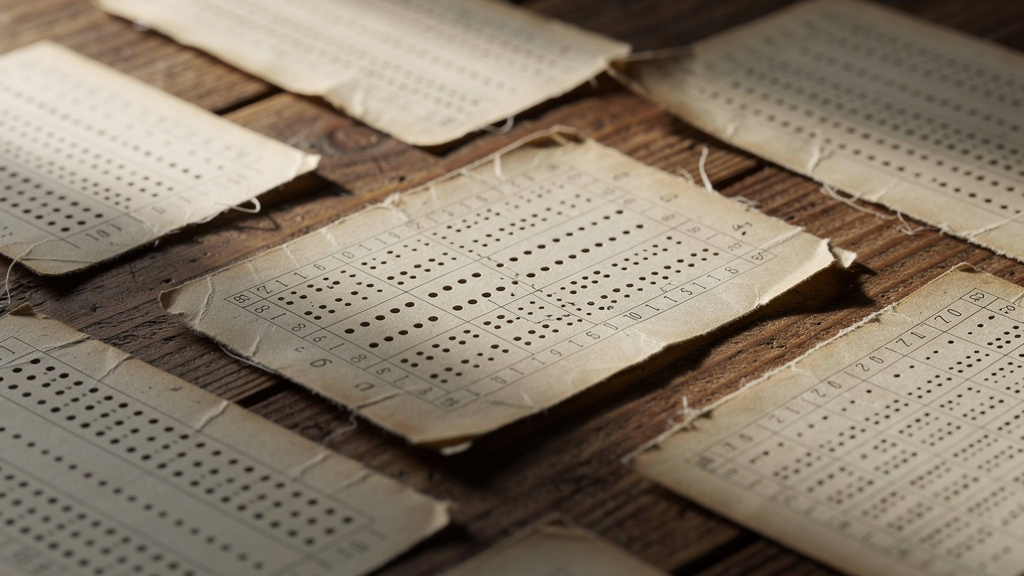 Before smartphones, punch cards and stamp cards were the standard way to run a loyalty program. Many people still love that small card tucked in their wallet with neat rows of stamps. For some loyalty programs retail owners, this classic format still feels comfortable and easy to explain. Yet, it is helpful to understand how these cards work and where they fall short as business needs change.
Understanding Physical Punch Cards
Physical loyalty cards are usually printed on thick paper stock, about the size of a business card. One side often carries your logo and contact details, while the other side holds the stamp or punch grid. Finishes vary between matte, which feels soft and is easy to write on, and gloss, which makes colors stand out and gives a shiny look. Good printing keeps cards from bending and aging too fast in someone’s wallet.
The guest experience is very simple:
- You hand out a card during checkout, explain the reward, and offer to stamp it with the first purchase.
- Each time the guest visits, they show the card and you add a stamp or punch.
- Once all spots are filled, the guest trades the completed card for their reward and may start a new one.
Because the system is so visual, customers quickly understand how far they are from their next perk.
From your side, you usually order these cards in batches that range from around fifty to one thousand pieces or more. Many printers offer discounts for larger quantities, which encourages “buy more, save more” habits. Delivery can take a few days up to a week, and some providers offer same-day pickup for urgent reprints. While the upfront cost feels small, it does repeat every time you run low.
Designing Your Physical Loyalty Card
Design plays a big role in how well physical loyalty cards work. Many owners choose pre-made templates from print sites, which are grouped by industry, such as coffee shops, salons, and restaurants. These give you a quick starting point where you only swap in your logo, colors, and text. Others use online design tools to build from scratch, moving images and text until the card matches their style. If you already have a design from a graphic artist, you can simply upload that file and send it to print.
No matter which path you choose, keep the layout clear and simple:
- The reward must be easy to spot.
- The number of visits needed should be obvious.
- The stamp or punch grid should be neat, with enough space for clean marks.
- Your business name, address, website, and social handles should be present so each card doubles as a small marketing piece.
When someone sees the card in their wallet, it should instantly remind them who you are, what they get, and why they should come back.
The Limitations Of Physical Cards
As friendly as they feel, paper cards bring real limits:
- They are easy for guests to lose, forget at home, or send through the wash.
- You keep paying for printing, storage, and reorders, which adds up over the year.
- A full card does not carry any data, so there is no way to see who your best customers are or track which rewards work best.
- Paper creates waste, which clashes with eco-minded guests.
- You have no simple way to contact people after the first card handoff.
For some owners, these trade-offs are acceptable. For many others, they point toward digital loyalty options that keep the spirit of punch cards but add more control.
Digital Loyalty Cards: The Modern Option For Small Businesses
 Digital loyalty cards keep the same basic idea as punch cards but move everything onto a phone. Instead of carrying a slip of paper, your guest adds a digital card to their mobile wallet, such as Apple Wallet or Google Wallet. For many local owners, this feels like a big leap at first. In practice, it can be even simpler than paper once it is set up.
With digital loyalty card programs, there is no separate app for the customer to download. Guests can scan a QR code at your counter or tap a link from your social media or website. That action adds the card to their phone in a few seconds. To collect a stamp, your staff scans the customer’s card using a simple stamper app on a phone or tablet. The whole process stays contactless and quick, with no printing or paper handling.
“Loyalty programs are not about points. They are about relationships.” — Fred Reichheld, creator of the Net Promoter Score
What Makes Digital Loyalty Different?
A digital loyalty card lives on the device your guests already carry everywhere. Each card sits inside the mobile wallet, next to payment cards and boarding passes. That means your loyalty information is always a thumb swipe away. Because the mobile wallet is built into the phone, guests do not need to search for a new app, remember a password, or clear storage space.
The way cards are added is also very smooth:
- A customer points their camera at a QR code by your register or taps a link you share in email or on social media.
- The phone shows a preview and asks to add the card.
- Once they accept, the card appears in their wallet with your branding and reward details.
During each visit, your staff opens the stamper app, scans the QR code on the card, and the new stamp appears immediately. No paper, no ink, and no worn-out stamps.
Because the entire flow is digital, updates are easy. If you change a reward or add a special offer, it can appear on every card at once. There is no need to throw away old stock or correct mistakes on printed cards. This gives you more freedom to test different offers without feeling stuck with a box of cards that no longer match your pricing or menu.
Key Advantages Over Physical Cards
Digital loyalty systems bring a long list of benefits for a small business owner who wants simple customer retention strategies:
- Cards are always accessible. Most people forget a piece of paper, but they rarely forget their phone. When the loyalty card sits in the same place as their payment cards, guests can earn stamps on every visit.
- Costs are easier to control. With digital loyalty cards for small business use, you stop paying for printing, storage, and reorders. There is no risk of misprints that force you to throw away boxes of cards.
- Eco-conscious guests notice. A paperless program reduces waste and clutter in customers’ wallets. Many people prefer brands that care about their impact, and a digital card is a visible step in that direction.
- Safety and hygiene improve. With contactless stamping, staff do not have to handle cards or pass items back and forth. This matters in salons, barbershops, and food service businesses where guests watch how you handle hygiene.
- You gain real-time data. You can see how many cards are active, how many stamps are issued, and how many rewards are redeemed. This helps you test different loyalty program benefits and see which ones bring more repeat visits.
- You can talk directly to guests. Push-style notifications can remind people about expiring rewards, slow-day specials, or new menu items. Some systems support location-based reminders that appear when customers are near your place.
A complete digital setup can often go live in under fifteen minutes and run on phones you already own, without buying special hardware or changing your point-of-sale.
Quick Comparison: Physical vs. Digital Loyalty Cards
Feature
Physical Punch Cards
Digital Loyalty Cards
Risk of loss
High
Low
Printing cost
Ongoing
None
Customer data
Very limited
Detailed visit and reward history
Updates to rewards
Requires new print run
Can be changed for all cards at once
Eco impact
Paper use and waste
Paperless
Communication with members
Not built in
Push-style notifications and targeted messaging
Core Features Of Digital Loyalty Platforms
Modern digital loyalty platforms are built so that a local owner can run them without a tech team. Most include:
- A simple card designer where you upload your logo, pick your brand colors, and write the reward text.
- Flexible campaign types such as classic stamp cards, points-based offers, or multi-step structures (for example, “after four stamps get a discount, after eight stamps get something free”).
- Dedicated stamper apps on iOS and Android for in-person visits, plus web-based tools so you can issue stamps for phone bookings or delivery orders.
Strong digital systems also come with tools for communication and data. You can:
- Create segments based on visit history.
- Send targeted notifications such as “new customer welcome” or “we miss you” offers.
- View dashboards showing how many cards were issued, how many stamps you gave, and which rewards are popular.
- Review a full audit trail and export data to other reports.
Instead of guessing about your customer loyalty efforts, you gain a clear view of how people respond.
How To Design And Launch An Effective Loyalty Program
 Whether you choose paper cards or a digital loyalty card, the design of your program matters just as much as the tool you use. The right structure keeps guests excited, protects your margins, and fits smoothly into daily service, as service quality research demonstrates that well-designed customer experiences directly drive satisfaction and purchase intentions. Thinking through reward levels, branding, and staff training will help you build a loyalty rewards system that changes behavior instead of just collecting dust.
Choose The Right Reward Structure
A good reward structure balances customer excitement with healthy profit. Many small business loyalty programs start with the classic “buy ten, get one free” pattern because it is simple and easy to explain. In practice, the free item usually equals about ten to fifteen percent of what the guest spent while filling the card, which keeps the math fair on both sides.
If the bar is set too high, such as “buy fifty and get one free,” many customers will never bother to join. For higher ticket services, like salon treatments or spa sessions, lower counts make more sense, such as “book five visits, get half off the sixth.” Some owners like to use multi-step rewards to keep people engaged longer, such as a small discount at four visits and a bigger reward at eight.
When setting your structure, consider:
- Your average ticket size.
- How often people visit.
- What kind of reward feels generous without cutting too deeply into profit.
Coffee shops and cafes can ask for more stamps, since guests may come several times a week. Pet groomers, car washes, and cleaning services might choose fewer steps because visits are less frequent. Looking at examples of loyalty schemes in your own industry can help you set a target that feels fair to your regulars.
Brand Your Program Professionally
A loyalty card, whether physical or digital, is part of your brand story. It should look and feel like the rest of your business. Use your regular logo, colors, and fonts so people recognize it right away. Clean, simple layouts help guests understand the reward fast, without needing to read tiny print or guess how things work.
Make sure the main reward and the requirement sit front and center. Short phrases such as “Collect ten stamps and get a free drink” read better than long paragraphs of fine text. Add your address, website, and social handles so the card also acts as a reminder of where to find you. When the design feels polished, it sends the message that your business is organized and values its guests.
Train Your Team And Promote Aggressively
Even the best loyalty program fails if your team does not promote it. Everyone at the counter or front desk should know:
- How the program works.
- How to add a new member.
- How to explain the benefits in a few short sentences.
Practice simple phrases during staff meetings so they feel natural, such as offering to start a card every time someone pays.
Promotion should be steady and visible. You can:
- Place signs at the register, on tables, or at mirrors in salons so guests see the offer while they wait.
- Mention your loyalty program on menus, service lists, and receipts.
- Post about it on social media with clear images that show the reward.
- Run occasional double-stamp days to fill slow hours.
Track how many new sign-ups you get each week and celebrate staff who help grow the program. When your team feels involved and sees results, they are more likely to keep mentioning it. A well-promoted loyalty card program for small business owners can grow quickly, fill slow times, and make regulars feel like insiders.
Industry-Specific Loyalty Card Strategies
 Different businesses use loyalty cards in different ways, and matching your approach to your industry makes your program stronger. While the core idea stays the same, the details of your reward, timing, and messaging can change based on what you sell and how often people visit.
- Coffee shops and cafes often rely on steady morning and afternoon traffic, so a simple stamp card can work well. A common setup is “buy ten coffees and get one free,” which regulars understand right away. Some owners add double stamps during slow hours to pull visits into quiet times. Digital cards can add push-style notifications that share daily specials, new drinks, or limited-time bakery items.
- Restaurants and food trucks tend to see guests less often but with higher bills, so their custom loyalty program may focus on visit count or spend. A sit-down restaurant might offer a free appetizer or dessert after a set number of visits. Food trucks can use location-based messages to alert nearby customers when they set up for the day. Tiered rewards that give both small discounts and larger perks can encourage both frequent visits and higher checks.
- Hair salons and barbershops build long-term relationships, which makes repeat customer programs especially powerful. You might offer a free haircut, conditioning treatment, or styling product after several paid services. Pre-paid bundles tracked through a loyalty card help secure future bookings and boost upfront cash flow. Because guests often stick with one stylist, a good loyalty offer helps keep them from trying a competitor.
- Pet services such as grooming, walking, or sitting often compete on trust as much as price. Loyalty cards that give a free session or package discount after several visits show that you value ongoing care for the pet. This repeated contact can ease customer anxiety about leaving their animals, since they deal with the same provider each time. Offering gentle rewards here can turn occasional users into steady clients.
- Retail and other service businesses like car washes, spas, and cleaning services can stand out with thoughtful loyalty offers. A car wash might give a free full-service wash after eight basic washes, which keeps people coming back to the same location. Spas can track pre-purchased massage or facial packages with a digital card, making it easy for clients to see how many sessions remain. Cleaning services can offer a discount after several visits, giving busy families one more reason to keep you on their regular schedule.
Leveraging Data From Digital Loyalty Programs
Going digital does more than move stamps onto a phone; it opens a window into how your customers behave. Every scan, reward, and visit becomes a data point that you can study. This helps you move from guessing to making decisions based on real numbers, which is rare for many small business owners.
With a good loyalty card platform, you can see:
- How many cards are active.
- How many stamps are issued each week.
- How often rewards are redeemed.
These numbers show whether your rewards feel worth chasing or if people give up halfway. You can test different offers, compare their performance, and adjust your customer retention strategies over time to focus on what brings the best response.
Customer data also lets you build helpful segments. You can spot your top spenders, regular visitors, and people who have not visited in a while. Once you see these groups, you can send targeted messages, such as thank-you offers for loyal guests or “we miss you” notes for those who have been quiet. For example, a coffee shop might notice slow afternoons and send double-stamp offers between two and four o’clock, then watch data to confirm that traffic really rises during that window.
Because every transaction is recorded, you also reduce the risk of fraud or misuse of rewards. Staff and owners can review a clear audit trail and export reports for deeper analysis or sharing with an accountant. Over time, you can estimate customer lifetime value and see how your loyalty efforts shift that number. Instead of treating loyalty cards as just a nice extra, you can see how they support revenue, staffing, and inventory decisions across your business.
Lealtad App: Your Complete Digital Loyalty Platform
Lealtad App is built for local brick-and-mortar businesses that want the power of the best customer rewards programs without the stress or high cost. It gives restaurants, cafes, salons, barbershops, pet care providers, and cleaning services a simple way to run digital loyalty cards, all from a smartphone. There is no need for special hardware, new registers, or a dedicated tech person.
Setup is designed to be fast. You choose a campaign type, upload your logo, pick your colors, and set the reward structure that fits your margins. Lealtad App supports digital stamp cards, cashback offers, subscriptions, discounts, coupons, and certificates, so you can design a custom loyalty program that matches how your guests already buy. Because everything runs through mobile wallets, your customers keep their cards right on their phones.
The platform also helps you stay in front of your guests. Automated notifications can remind people about rewards, slow-day specials, or expiring offers without extra manual work. Analytics dashboards track how many cards are in use, how often people visit, and which campaigns perform best, helping you see clear return on your efforts. Since the service is priced with small business budgets in mind, it offers an affordable alternative to big ad spends while cutting out the ongoing cost and waste of physical cards.
Conclusion
Keeping current customers is one of the safest ways to grow profit in a small business. Instead of pouring money into ads that may or may not bring strangers through the door, customer loyalty cards give regulars a clear reason to return. They turn one-time visits into habits, and habits into strong relationships that last for years.
Physical punch cards still work for some owners, but digital loyalty cards bring clear gains in cost, data, and customer engagement. When your program lives in your guests’ phones, it is easier to join, harder to forget, and much simpler to measure. You can see which rewards perform, talk directly to your customers, and adjust your offers without printing a single new card.
“The purpose of a business is to create and keep a customer.” — Peter Drucker
There is no need to wait for a perfect setup. A simple program that starts this week will beat a complex plan that never launches. By choosing a tool like Lealtad App, you can design, launch, and run a complete loyalty system in minutes, even with a small team and tight budget. With smart, affordable retention strategies in place, your local business can stand strong against bigger brands and keep guests coming back happily.
Start Turning One‑Time Visitors Into Regulars — Today
You’ve seen it happen. Busy days followed by quiet ones. The easiest wins are the customers who already liked your business and just need a clear reason to come back.
That’s exactly what Lealtad App helps you do — without a big budget or extra work.
Here’s your next simple step:
- Visit: https://lealtadapp.com/qs-guide
- Download the free guide: 5 Loyalty Strategies to Increase Cashflow Fast
- You’ll get practical ideas you can use right away to boost repeat visits and steady revenue.
- Want to put those ideas into action fast?
- Start a risk‑free trial of Lealtad App and launch your own custom‑branded digital loyalty card in under 10 minutes, using just your phone.
No printing. No tech headaches. No long setup.
Just a clear, simple loyalty program your customers will actually use.
Go get the guide now — and turn today’s customers into tomorrow’s regulars.
FAQs
Question 1: How Much Does It Cost To Implement A Loyalty Card Program?
Costs depend on whether you pick physical or digital cards. Printing paper cards often runs between a few dozen and a few hundred dollars per batch, depending on quality and quantity. Digital platforms usually charge a monthly fee, often starting around the cost of a couple of tickets at your place. Digital options remove ongoing printing expenses, and many owners see positive return within the first few months as repeat visits rise.
Question 2: What Is The Ideal Reward For A Small Business Loyalty Program?
A common starting point is a reward equal to about ten to fifteen percent of total spend while someone fills the card. The classic “buy ten, get one free” model fits this for many coffee shops and cafes. In other settings, the reward might be a free appetizer, service, or a percentage discount. The key is that it feels like a real thank-you while still protecting your margins. Over time, you can test and adjust based on customer response and actual profit.
Question 3: Do Customers Actually Use Digital Loyalty Cards?
Yes, many guests prefer digital loyalty cards because they already carry their phones all day. Mobile wallets continue to gain use, and people like the convenience of having payment and loyalty in one place. Digital cards solve the main complaint about paper cards, which is forgetting them at home or losing them. When you add notifications and clear rewards, engagement often ends up higher than with traditional punch cards.
Question 4: How Long Does It Take To Set Up A Digital Loyalty Program?
Setting up a modern digital loyalty program is much faster than most owners expect. With a platform like Lealtad App, you can often go from idea to live card in fifteen minutes or less. You upload your logo, choose colors, set your reward steps, and generate a QR code for sign-ups. No coding, point-of-sale integration, or outside IT help is required. Staff training is quick as well, since scanning a card with a phone or tablet feels natural after only a few tries.